











Food & Beverage

Connect food products and reusable carriers from factory to store.

DTB provides UHF RFID tags and hardware for food identification, inventory counts, shipment verification, and reusable carrier tracking. Choose item-level identification for high-value packaged foods, or case-, crate-, and pallet-level identification for fresh produce and bulk distribution.

food-1

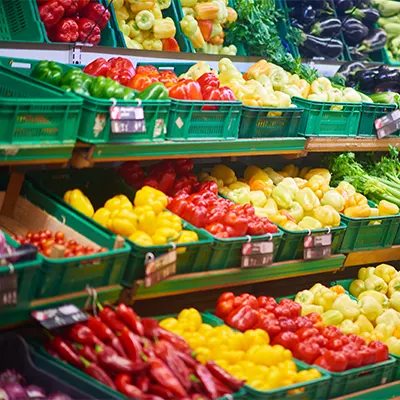
Illustrative application scene.

Food Industry Challenges

Short shelf lives, frequent deliveries, and many product batches make food inventory difficult to control. Manual scans slow down handovers; mixed loads increase checking work; incomplete batch records complicate recalls. Reusable crates and pallets can also be lost, delayed, or returned without a clear record.

RFID Solution Overview

Assign a unique RFID identity to each selected product or carrier. Capture identities at key checkpoints and link them with product, batch, quantity, and expiry records in your existing ERP, WMS, or store system. DTB supplies suitable tags, readers, printers, and device integration support for these workflows.
Applications from Factory to Store

Two tracking levels, selected around product value and handling methods.

Item-level tracking. Attach an adhesive or suitable flexible on-metal tag to each high-value packaged food item. Link its identity to the product and batch record for individual verification and traceability.

Carrier-level tracking. Identify each case, produce crate, or pallet using a suitable label, PVC card, or ABS hard tag. Associate every load with its contents, batch, quantity, and expiry. Update the association after unloading or reuse; reading a carrier alone does not count untagged items inside it.

food-2

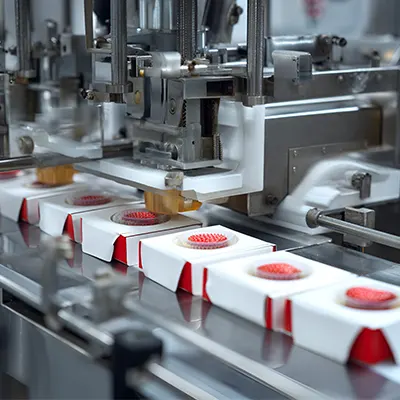
Factory / packing

food-3

Dispatch / distribution

food-4

Warehouse / cold storage

Store operations
food-6

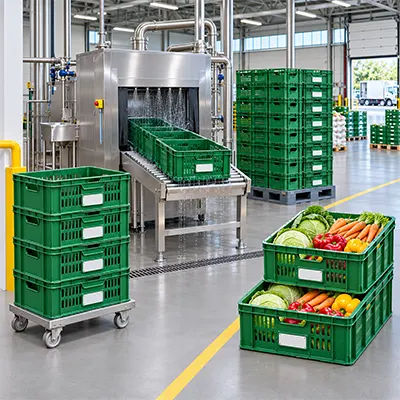
Carrier returns / reuse

Core stage How RFID is used Related products
Factory / packing Encode product or carrier IDs and bind batch data. Record item-to-case or case-to-pallet associations where needed. Adhesive labels, flexible on-metal labels; RFID printer encoders
Dispatch / distribution Read tagged units or carriers and compare with shipping records; investigate missing or unexpected IDs. Pallet RFID chambers, multiport readers and antennas
Warehouse / cold storage Confirm receipts, count stock, and record transfers. Use linked expiry data to support first-expired, first-out picking. Handheld readers, fixed reading points, suitable tags
Store operations Check deliveries and stock; support replenishment and product search. Repacking or loose sales require contents and quantity updates. Handheld readers; item or crate tags
Carrier returns / reuse Record carrier handovers and returns. Clear the previous load association and bind the next load after cleaning and preparation. PVC card tags, ABS hard tags; handheld or fixed readers

RFID Tag Selection

Match the tag to the tracking level, packaging, and operating environment.

DTB-C50M-chip

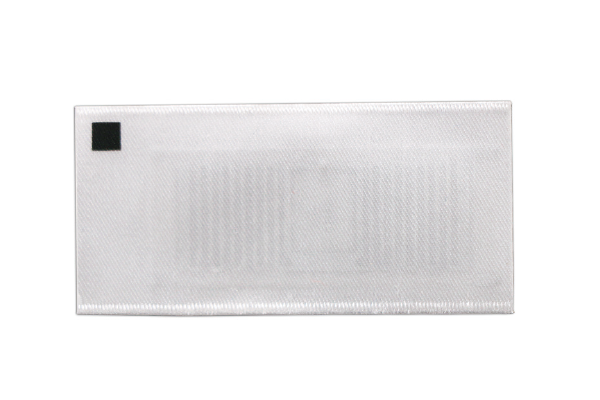
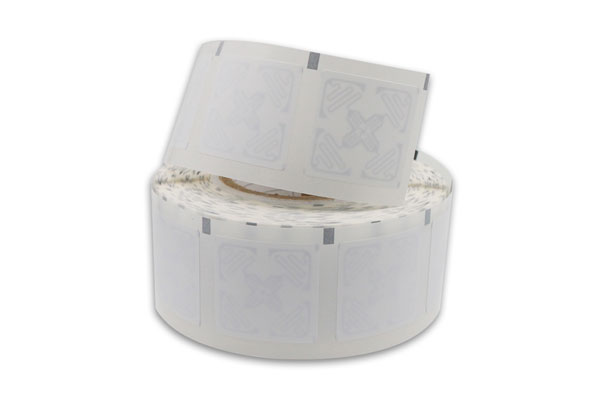
Adhesive UHF RFID labels

F6025-main

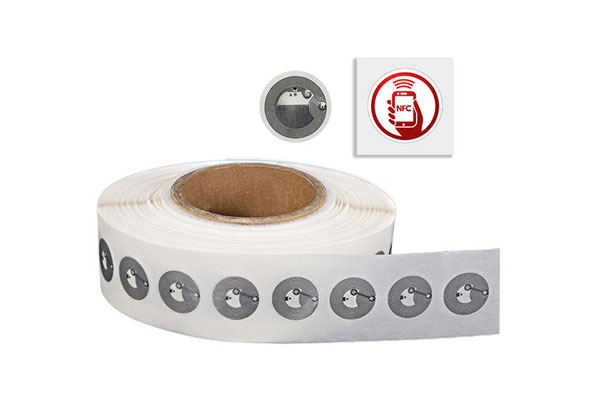
Flexible on-metal RFID labels

UCT9025-mian-v2

PVC RFID card tags

ABS8827UA-main

ABS RFID hard tags

Form-factor illustrations: adhesive label / flexible on-metal label / PVC card / ABS hard tag. Final products and specifications depend on sample validation.

Tag format Typical applications Selection priorities
Adhesive UHF RFID labels Individual packaged foods, cartons, and disposable packaging on suitable surfaces. Packaging material, label position, antenna size, print requirements, adhesive performance in cold or damp conditions.
Flexible on-metal RFID labels Selected metal cans, metal containers, or suitable foil packaging. Validate the exact package and mounting surface. On-metal performance does not by itself solve reading problems caused by liquid contents.
PVC RFID card tags Reusable plastic produce crates, boxes, and logistics carriers. Card holder or mounting holes, attachment strength, impact exposure, cleaning method, and operating temperature.
ABS RFID hard tags Pallets, heavy-duty crates, and frequently handled reusable carriers. Mounting, impact resistance, sealing, cleaning chemicals, and temperature ratings. For metal pallets, select a verified on-metal design.

Validate samples on actual loaded goods, including dense packing and condensation where relevant. Match regional UHF frequency requirements, required durability, and any customer-specific food-contact requirements for the intended placement.

RFID Hardware Selection

h20u-main-v3

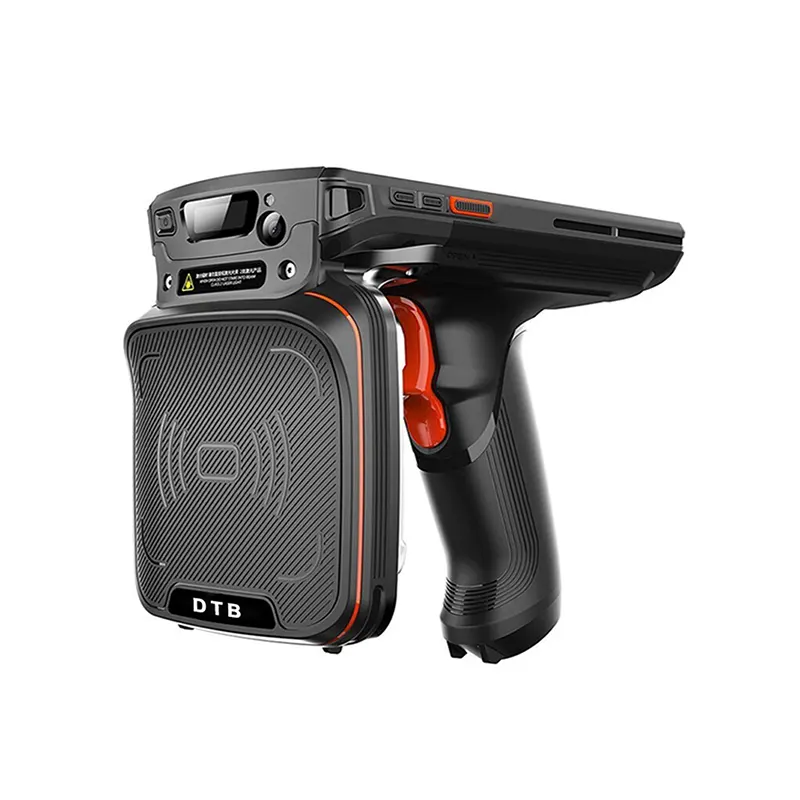
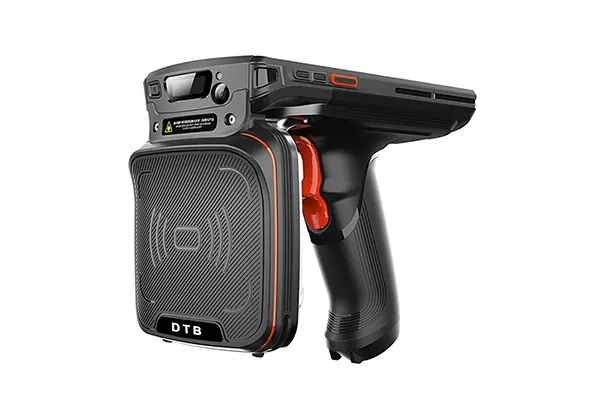
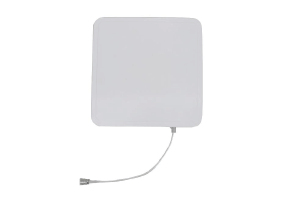
Handheld RFID readers

QY-UR08C-main

Multiport readers / antennas

tx3r-main

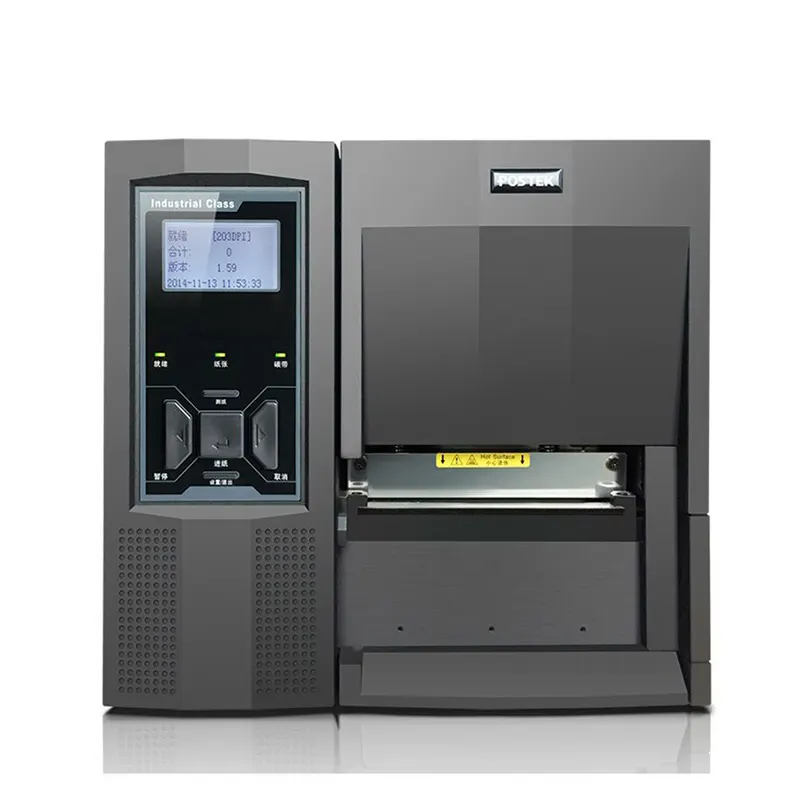
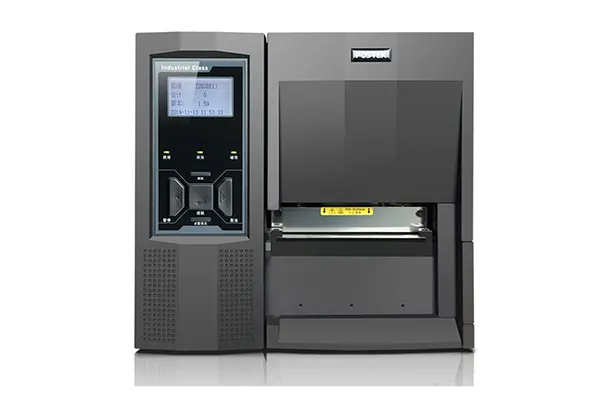
RFID printer encoders

food-13

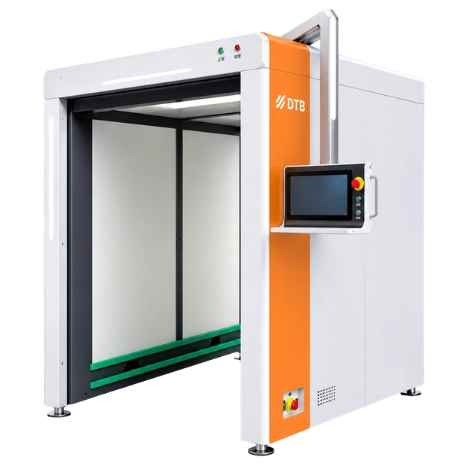
Pallet RFID chambers

Hardware Typical use What to check
Handheld RFID readers Counts, receiving, product or carrier search. Battery life, ergonomics, software compatibility, and environmental suitability.
Multiport readers / antennas Dock doors, conveyors, and fixed workstations. Antenna coverage, adjacent read zones, triggering, mounting, and system interfaces.
Pallet RFID chambers Controlled pallet-level receiving and dispatch verification. Loaded dimensions, density, liquid/metal effects, throughput, handling access, and read-zone control.
RFID printer encoders Print visual information and encode compatible RFID labels. Supported tag media, encoding consistency, print durability, and label data source.

Business Value

Faster handovers and counts. Batch reading reduces repetitive scanning at receiving, dispatch, and stock counts, giving teams more time to resolve exceptions.

More reliable stock and traceability. Linked item, batch, and carrier records help verify stock movements and identify affected goods during investigations or recalls.

Less expiry-related waste. More timely stock visibility and linked expiry records support first-expired, first-out handling and targeted replenishment.

Better carrier utilization. Recorded issues and returns help locate overdue crates and pallets, improve turnaround, and reduce avoidable replacement purchases.

Better store availability. Clearer receiving and replenishment records help keep the right products available. Evaluate results through count time, inventory accuracy, dispatch errors, expiry losses, and carrier return rates.

Please enter your email