








Food

RFID tags and hardware for connected inventory operations.
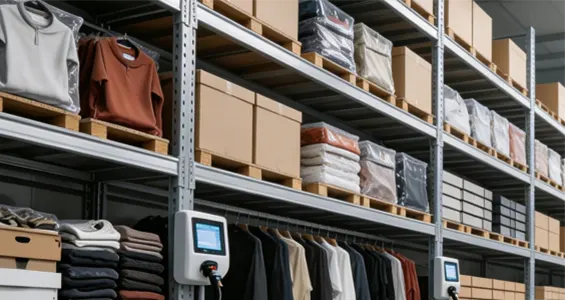
Improve garment inventory counts, footwear tracking, and shipment verification with DTB RFID tags, handheld readers, fixed readers, antennas, and reading stations. Build the right combination for your factory, distribution center, or retail store.

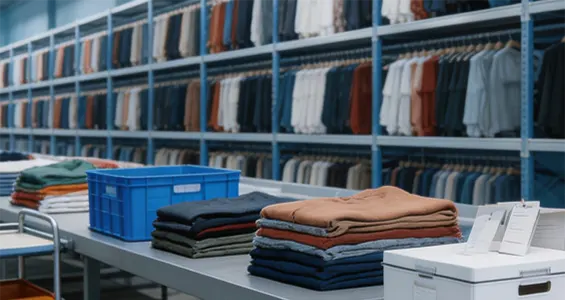
App-Apparel-1

Industry challenges

Large style, color, and size ranges make stock difficult to manage. Individual barcode scans slow down counts; packing errors create rework; misplaced items reduce availability. Disconnected records make it harder to verify what moved between factories, warehouses, and stores.

A practical RFID solution

Attach a suitable RFID tag to each item or its packaging. Use handheld or fixed devices to capture tag identities at selected checkpoints, then pass the reads to your existing business application for verification and record updates. DTB focuses on the tags and hardware that make this data capture possible.

Applications from Factory to Store

Tag and encode → verify shipments → receive and count → find and sell.

Apparel-2

Factory and source tagging

Apparel-3

Warehouse and distribution

Apparel-4

Retail inventory

Application How RFID is used Typical products
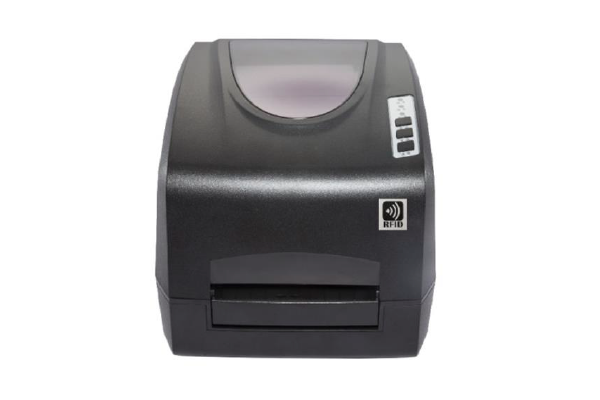
Source tagging Encode an item identity and link it to product data before goods enter distribution. Paper hangtags, textile labels, adhesive labels; compatible printer encoders
Packing and dispatch Capture packed items for comparison with order or packing records. Reading stations, tunnels, fixed readers and antennas
Receiving and stock counts Read incoming or stored goods and reconcile differences in the connected application. Handheld readers, fixed reading points, suitable item tags
Store item search Use a compatible handheld search function to help locate a requested tagged item. Handheld RFID readers and apparel or footwear tags
Checkout and exit monitoring Capture item identities at checkout or configured exits for transaction checks and alerts. Checkout stations, gate systems, compatible tags

Where the solution fits

Menswear, womenswear, childrenswear, footwear, bags, and accessories. Deploy at a priority checkpoint first, test representative goods, and expand after the reading performance and workflow are validated.
Checkout, return checks, and exit alerts require suitable software integration and business rules. Fitting-room item capture is an optional application with additional reader and software requirements.

Choosing RFID Tags

Choose for the item and read conditions, then validate with samples.

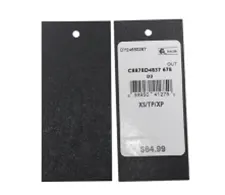
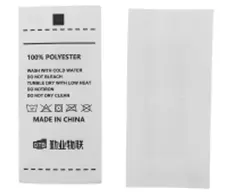
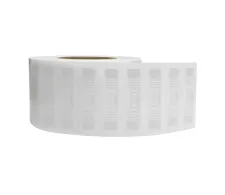
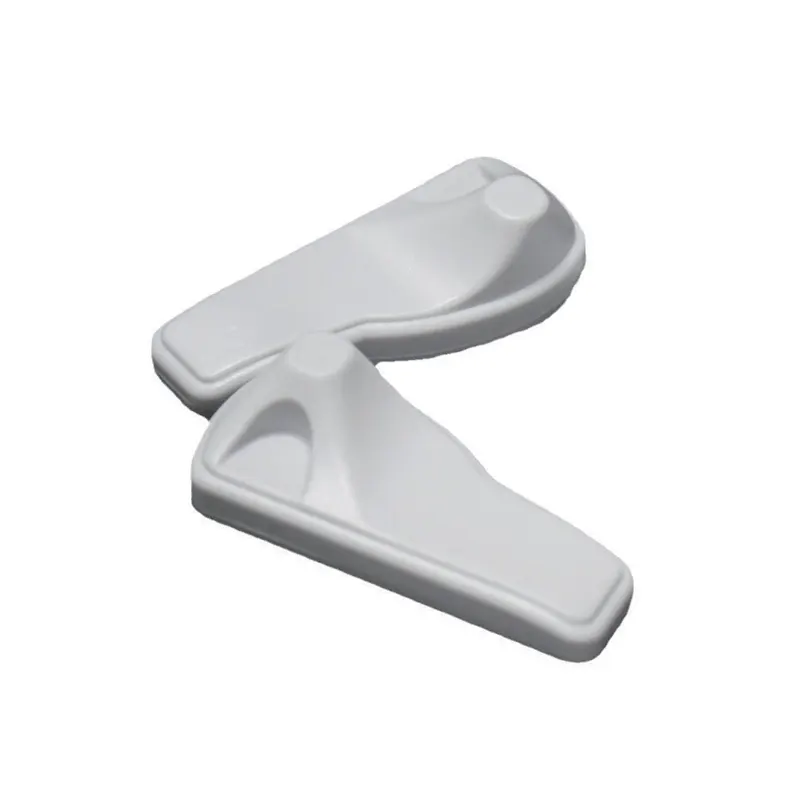
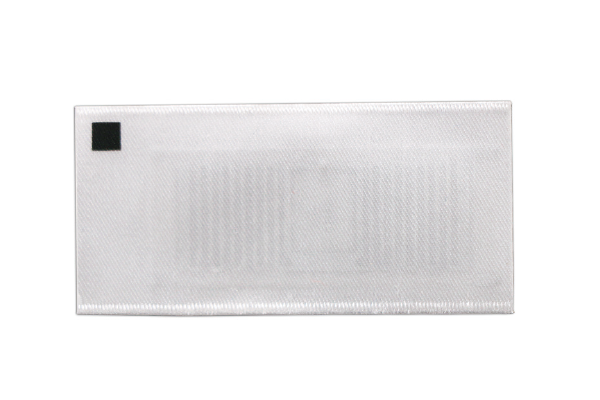
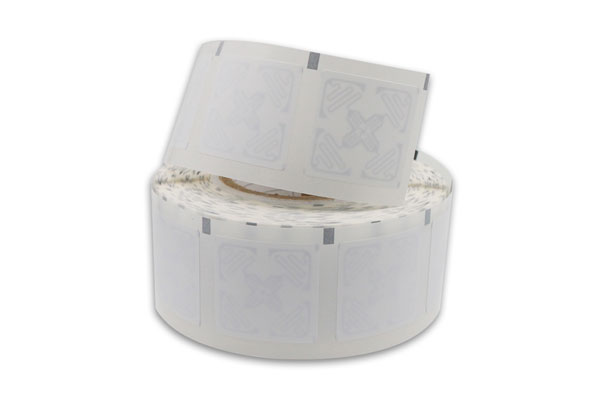
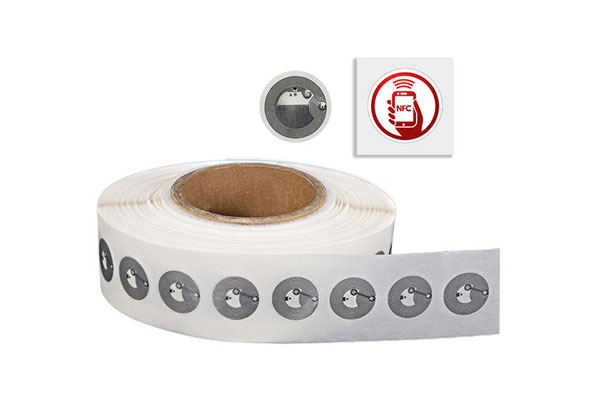
Representative product images; final appearance depends on the selected tag.

Tag format Typical use What to check
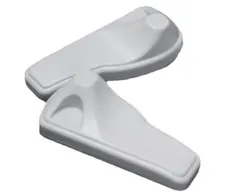
RFID paper hangtags Apparel and accessories at source tagging or retail Tag size, print layout, attachment, placement, and packing density
RFID textile labels Garments requiring sewn-in identification Sewing position, comfort, material, and required wash durability
Adhesive RFID labels Footwear boxes and suitable packaging or product surfaces Surface material, adhesive, placement, and whether the box identity must be linked to the item
Reusable RFID hard tags Retail applications with controlled attachment and removal Attachment method, removal process, reuse, and reader compatibility

Common issues to resolve before rollout

Missed reads in packed goods: test actual carton contents, tag orientation, and placement. Nearby metal trims, foil packaging, or other challenging materials may require a different tag or position.
Reads from adjacent stock: tune antenna placement, power, and the physical read zone. A longer read range is not always better.
Incorrect item records: agree the encoding rules, prevent duplicate identities, and define whether each tag represents an item, a pair of shoes, a box, or a carton. Confirm the destination-market frequency configuration for both tags and readers.

Choosing Hardware and Measuring Value

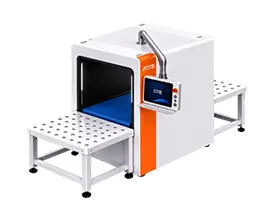
RFID Tunnel

RFID tunnels

Hardware Best suited to Selection priorities
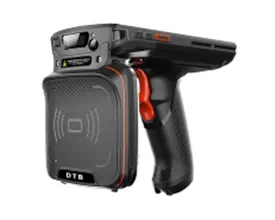
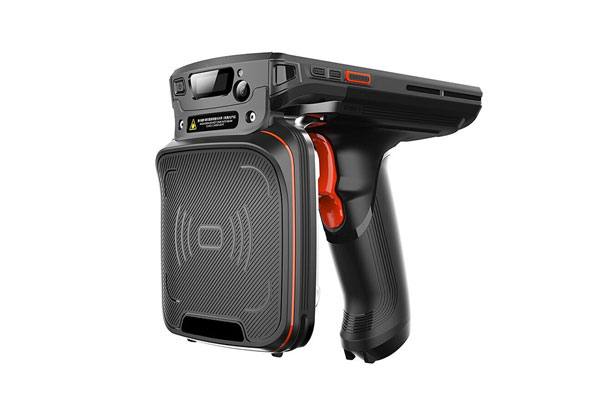
Handheld readers Mobile counts, receiving, and item search Ergonomics, battery life, host device, and application compatibility
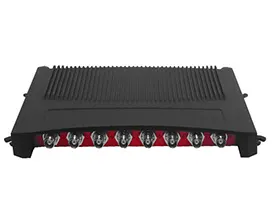
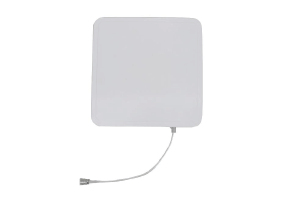
Fixed readers and antennas Defined portals, workstations, and conveyor checkpoints Coverage, antenna ports, mounting, read-zone control, and interfaces
Stations and tunnels Packing, receiving, and shipment verification Carton dimensions, item density, throughput, and installation space
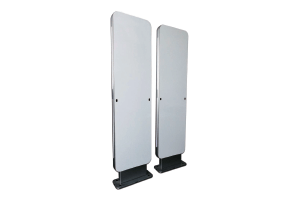
Gate and checkout systems Configured exit monitoring and checkout identification Read coverage, transaction linkage, alert rules, and POS integration

Business value

Count more frequently with less individual scanning. Identify shipment discrepancies before goods move onward. Help associates find tagged items and provide more reliable inputs to inventory and traceability systems.
Measure results against your baseline: count time, missed-item rate, receiving and dispatch discrepancies, item-search time, and inventory reconciliation results. Performance depends on the goods, read conditions, and integrated workflow.

Integration and application support

DTB can work with your software team or system integrator to review tag samples, device options, and data capture requirements. Available SDKs, APIs, and communication interfaces depend on the selected device.

Find the right products for your project

Share your item or packaging, application, destination market, expected quantity, and software requirements to discuss hardware selection and tag evaluation.

Related RFID Products at DTB

Please enter your email