











Airline passengers worldwide are all too familiar with the frustration of lost or delayed baggage. According to the International Air Transport Association (IATA), approximately 24.3 million baggage mishandlings were reported in 2022, representing nearly 5 mishandled bags per thousand passengers. While improvements in manual handling, staff training, and barcode scanning have reduced errors over the years, traditional baggage management systems still face significant limitations. In response, RFID (Radio Frequency Identification) technology has emerged as a reliable, scalable solution to drastically reduce lost baggage incidents and improve operational efficiency across airports globally.
Understanding the Lost Baggage Problem
The problem of lost baggage is not merely an inconvenience for passengers; it represents a substantial operational and financial challenge for airlines. Most lost baggage incidents occur due to errors in sorting, manual handling mistakes, or damaged or illegible barcode tags. When passengers check in at an airport like JFK (New York, US) or Heathrow (London, UK), each bag typically receives a barcode tag. The baggage then moves along conveyors, transfers between aircraft, and sometimes passes through multiple handling facilities. Even under strict protocols, barcode-based systems rely heavily on human accuracy and line-of-sight scanning, which introduces risk.
Airports and airlines have long recognized that improving visibility and tracking is key. Traditional barcode-based tracking offers limited real-time insight; a bag might only be scanned at the check-in counter, transfer points, and arrival. Between scans, the system provides no visibility, leaving airlines blind to errors until passengers report missing baggage. This delay increases operational costs, customer dissatisfaction, and insurance claims.
Lost baggage is more prevalent in large international hubs, where thousands of bags are processed daily. For example, at Shanghai Pudong International Airport (Shanghai, China), over 50,000 pieces of baggage are handled daily. In such high-volume environments, even a 0.1% mishandling rate results in significant numbers of lost or delayed bags. RFID technology provides a proactive approach, enabling airlines and airports to track every bag in real time throughout its journey.
How RFID Works for Luggage Tracking
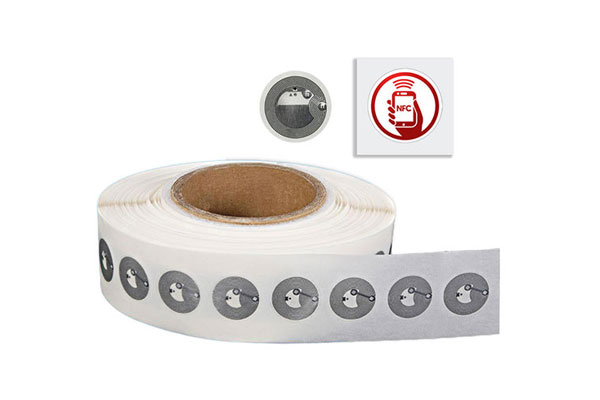
RFID technology uses small tags attached to baggage that communicate with readers through radio waves. Unlike barcodes, which require line-of-sight scanning, RFID tags can be read automatically and simultaneously by multiple readers, even if they are obscured or stacked with other luggage. This capability makes RFID particularly suited for high-volume airport environments.
There are two primary types of RFID used in baggage tracking:
HF (High-Frequency) RFID:
Typically operates at 13.56 MHz and is ideal for short-range scanning, such as check-in counters or boarding gates. HF RFID tags are durable and can be integrated into standard baggage tags, offering reliability for manual or semi-automated checkpoints.
UHF (Ultra-High-Frequency) RFID:
Operates between 860-960 MHz and enables long-range scanning. UHF readers can detect baggage across conveyor belts, loading areas, and storage zones without line-of-sight. Many large international airports, including Amsterdam Schiphol (Netherlands) and Singapore Changi (Singapore), have implemented UHF RFID systems to monitor luggage movement across multiple terminals and handling areas.

Each RFID-enabled baggage tag contains a unique electronic identifier, which is registered in the airline’s baggage management system. As a bag moves through the airport, strategically placed RFID readers capture its location automatically. This real-time visibility allows staff to detect misrouted or delayed bags before they leave the airport or enter the wrong flight.
Benefits of RFID in Reducing Lost Baggage
Implementing RFID in baggage handling delivers measurable improvements in operational efficiency, cost reduction, and customer satisfaction. Key benefits include:
1. Enhanced Tracking Accuracy
RFID provides 99% or higher accuracy in baggage tracking compared to 85%-90% for barcode systems. The ability to scan multiple bags simultaneously reduces human error during check-in, transfer, and loading processes.
2. Reduced Baggage Mishandling
Airports adopting RFID technology, such as Dubai International Airport (Dubai, UAE), have reported reductions of up to 50% in lost or mishandled bags. Real-time tracking ensures that misplaced bags are identified and corrected immediately, minimizing passenger complaints and delays.
3. Improved Operational Efficiency
Automated RFID scanning eliminates the need for manual barcode scans at multiple checkpoints. This allows baggage handlers to process more bags per hour, reduces congestion on conveyor systems, and speeds up turnaround times for connecting flights.
4. Lower Financial Costs
Lost baggage generates significant expenses through compensation, insurance claims, and manual recovery efforts. Airlines integrating RFID systems have reported cost savings of millions annually, depending on traffic volume.
5. Passenger Experience Enhancement
Passengers benefit from greater confidence that their bags will arrive on time. Some airlines provide mobile notifications based on RFID scans, informing travelers of the real-time location of their luggage. Improved trust and satisfaction can directly impact airline loyalty and brand perception.
RFID Across Industries
Several airports and airlines have successfully deployed RFID baggage systems with impressive results:
· Delta Airlines (Atlanta Hartsfield-Jackson Airport, US): Delta implemented an RFID baggage tracking system at Atlanta Hartsfield-Jackson Airport and observed a 25% reduction in mishandled bags within the first year. More than 90% of bags could be located in real time, even during peak traffic periods.
· Heathrow Airport (London, UK): Heathrow began rolling out RFID technology for international flights in 2019. The system integrates UHF readers throughout the baggage handling process. The airport reduced manual interventions, leading to a noticeable decline in passenger complaints related to lost baggage.
· Shanghai Pudong International Airport (Shanghai, China): In collaboration with local technology providers, the airport implemented RFID-enabled baggage conveyors for high-volume international flights. The project resulted in a 40% annual reduction in lost luggage reports, demonstrating the effectiveness of RFID for long-range tracking in multi-terminal environments.
· Singapore Changi Airport (Singapore): Changi introduced a comprehensive RFID baggage system across all terminals. Real-time data is shared with airlines and ground handling agents, improving coordination and ensuring smoother transfers for connecting flights.

These examples underline a common trend: RFID adoption is most effective when integrated into end-to-end baggage handling workflows, from check-in to aircraft loading and retrieval at arrival.
Implementing RFID Baggage Systems
For airlines and airports considering RFID deployment, several critical steps must be followed:
Step 1: Choose the Right RFID Tags
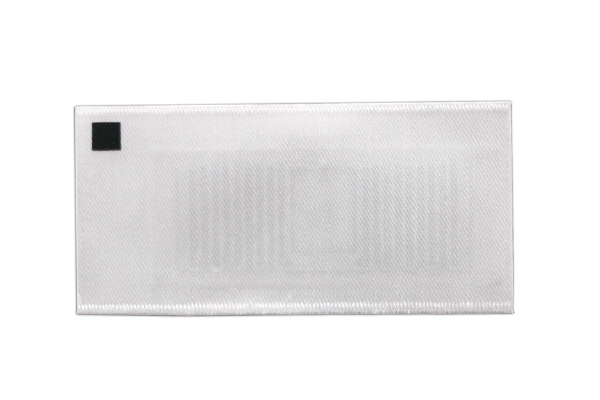
Select tags that are durable, tamper-resistant, and suitable for baggage conditions. For high-speed conveyor systems, UHF tags are generally preferred due to long-range capabilities.
Step 2: Install RFID Readers Strategically
Position readers at key points along the baggage journey: check-in counters, sorting areas, loading docks, and transfer corridors. Overlapping read zones ensure no bag goes untracked.
Step 3: Integrate with Airline IT Systems
Seamless integration with existing baggage management software is essential. Real-time tracking data should be accessible to ground staff, customer service agents, and passengers through mobile apps or notifications.
Step 4: Train Staff and Monitor Performance
Operational staff must understand how to handle RFID-tagged baggage and interpret system alerts. Continuous monitoring helps identify bottlenecks, verify tag performance, and address technical issues promptly.
Step 5: Evaluate ROI and Update Systems
Airports should track key metrics such as mishandled bag rates, recovery times, and customer complaints. Regular updates to software, readers, and tag inventory ensure the system remains efficient as traffic grows.
Typical Issues
While RFID technology offers significant advantages, there are challenges to consider:
- Initial Investment: Deploying RFID infrastructure requires upfront capital for tags, readers, and IT integration. Long-term savings and operational improvements usually offset these costs.
- Tag Durability: Baggage experiences rough handling, and tags must withstand moisture, heat, and physical stress. Selecting high-quality tags is critical.
- System Integration: Airlines often operate multiple IT systems, and integrating RFID data requires careful planning and testing to avoid workflow disruptions.
With proper planning, training, and equipment selection, these challenges can be effectively mitigated.
Where RFID Baggage Tracking Is Going
The RFID landscape continues to evolve, with several emerging trends likely to enhance baggage tracking further:
- IoT-Enhanced Tags: Combining RFID with GPS or Bluetooth Low Energy (BLE) allows airlines to track bags outside airport premises, offering complete visibility to passengers.
- Predictive Analytics: Using historical RFID data, airlines can predict potential misroutes and proactively reassign bags, preventing mishandling before it occurs.
- Passenger-Facing Apps: Mobile applications connected to RFID systems provide travelers with real-time baggage status, fostering trust and satisfaction.
Airports that adopt these innovations not only reduce lost baggage but also gain a competitive edge in passenger experience.
Questions Airlines Often Ask
Q1: How does RFID prevent lost baggage?
RFID luggage tracking provides automatic, real-time visibility, allowing airport staff to detect misplaced baggage instantly.
Q2: What is the cost of implementing RFID baggage tracking?
Costs vary depending on airport size, volume, and system complexity. Investments include tags, readers, IT integration, and staff training. Airlines often see ROI within 1-3 years through reduced mishandling costs.
Q3: Which airports have successfully adopted RFID systems?
Airports like Heathrow (UK), Dubai International (UAE), Shanghai Pudong (China), and Singapore Changi (Singapore) have fully implemented RFID baggage tracking with measurable reductions in lost luggage.
Q4: Are RFID tags reusable?
Yes, many RFID baggage tags are reusable. Airlines often use durable, tamper-resistant tags for high-frequency flights, reducing long-term tag costs.
Q5: How long does it take to implement an RFID system?
Implementation timelines vary, but mid-to-large airports generally require 12-24 months for full deployment, including testing and staff training.
The Value of RFID in Baggage Management
RFID technology has transformed baggage handling in modern aviation. By providing automatic, real-time tracking, airlines and airports can significantly reduce lost and mishandled luggage, improve operational efficiency, lower costs, and enhance passenger satisfaction. Real-world implementations at airports like Shanghai Pudong, Heathrow, and Singapore Changi demonstrate measurable benefits, including reductions of up to 50% in lost baggage incidents.
For airlines planning to improve their baggage handling systems, investing in RFID infrastructure is no longer optional—it has become a critical component of operational excellence and customer experience. With careful planning, integration, and staff training, RFID enables airlines to turn the longstanding challenge of lost baggage into a manageable, predictable, and largely preventable issue.
