

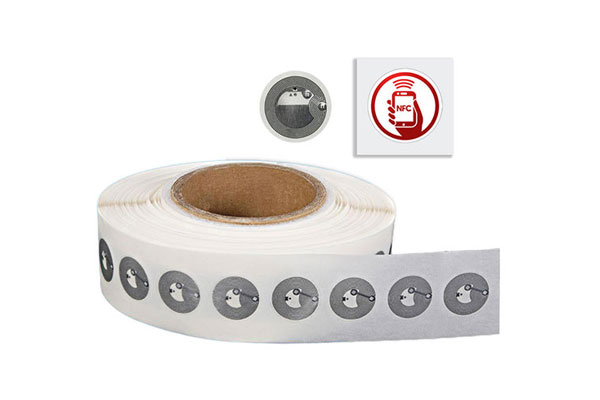















As enterprises increasingly embrace digital transformation and smart management, RFID technology has become an essential tool for warehouse operations, logistics, production lines, and asset management. While small-scale pilot projects often demonstrate high read accuracy and process efficiency, many organizations face challenges during full-scale deployment. Without careful planning, a pilot that appears successful can lead to unexpected failures when scaled up. This article explores the key risks enterprises should consider during RFID pilot projects, drawing insights from technology, environment, business processes, cost, security, and management perspectives.
Technical Risks: High Read Accuracy Doesn’t Guarantee Success
During pilot projects, enterprises often select controlled environments, such as a single warehouse or a small production line. In these scenarios, RFID tag read accuracy may exceed 98%. However, when the system is scaled up to cover larger facilities, more complex shelving arrangements, and high volumes of products, read accuracy often declines due to interference from metal racks, liquid containers, and nearby electronic devices.
Another significant technical risk lies in compatibility. RFID projects involve a combination of tags, readers, and software platforms, all of which must integrate seamlessly. If a selected tag model is incompatible with the reader, or if system interfaces are unstable, data may be lost, duplicated, or delayed. While pilot projects may mask these issues, full-scale deployment exposes them, directly impacting inventory accuracy and asset visibility.

Example: An electronics manufacturing company achieved 97% read accuracy during a pilot in a single warehouse. Once the system was fully deployed, interference from metal machinery reduced read accuracy to 88%, causing discrepancies between actual inventory and system records.
Environmental Risks: Physical Conditions Affect RFID Performance
RFID is highly sensitive to its physical environment. High-turnover logistics warehouses, stacked items, and goods that pause or return to previous locations can all disrupt reliable tag reading. Pilots are often conducted in simpler conditions, but real-world deployment introduces far greater complexity in storage layouts, material types, and handling methods.
Temperature and humidity are additional environmental factors. Extreme heat, moisture, or chemical exposure can damage RFID tags and reduce reader performance, potentially shortening equipment lifespan. RF interference from wireless devices, scanners, or other electronic equipment can also compromise reading performance. Enterprises must simulate deployment environments during the pilot stage to ensure the system can operate reliably under real conditions.
Business Process Risks: Standardization and Compliance Are Key
The effectiveness of an RFID system depends not only on technology but also on consistent business processes. Employees performing tasks differently or lacking clear standard operating procedures (SOPs) can undermine system performance.
For instance, in one warehouse pilot, administrators manually verified tag anomalies to maintain a 98% data accuracy rate. When the system scaled up, increased staff and more complex workflows reduced human intervention, resulting in greater data fluctuations. High-turnover goods, paused shipments, or items returning in the workflow can also distort readings, impacting inventory and production planning decisions.
To mitigate these risks, enterprises should define clear SOPs for every operational step during the pilot, ensuring consistent execution during full deployment.
Cost and ROI Risks: Pilot Success ≠ Scaled Profitability
A common misconception is that pilot success directly translates to ROI in full-scale deployment. While small pilots may show immediate benefits with relatively low costs, scaling up can significantly increase expenses without proportional gains.
Tag attrition is an often-overlooked cost factor. High-frequency use can lead to tag wear or damage, increasing long-term operating expenses. Additionally, reader maintenance, software upgrades, system integration, and employee training further impact total ROI.
Example: A retail company conducted a pilot with 5,000 items, incurring only $20,000 in costs while demonstrating tangible benefits. Scaling to 500,000 items, tag replacement, equipment maintenance, and system upgrades raised total costs above $500,000, lowering overall ROI.
Enterprises should establish a comprehensive cost model during the pilot stage, factoring in large-scale deployment expenses to ensure sustainable investment value.

Security and Privacy Risks: Protecting Sensitive Data
RFID systems collect sensitive information, including inventory levels, asset locations, and production schedules. Inadequate security measures can expose critical business data to unauthorized access or misuse.
Tags can be tampered with, lost, or duplicated, leading to inaccurate inventory records. For example, if a tag is swapped or damaged during transit, the system may report an item as received or shipped when it is not. Industries like healthcare, finance, and food require compliance with data protection regulations, and failing to meet these standards can result in legal consequences.
Enterprises must incorporate encryption, tamper-proof tags, network security, and compliance controls into RFID system design to safeguard information.
Management and Communication Risks: Coordination Is Crucial
RFID projects span IT, logistics, warehousing, production, and procurement departments. Poor cross-departmental coordination is a major cause of project setbacks.
Pilots often involve a small, dedicated team with streamlined communication. Full-scale deployment, however, requires clearly defined responsibilities, collaboration across departments, and measurable KPIs. Without these structures, accountability gaps emerge, and operational deviations occur. Employee training is equally important; staff unfamiliar with tag handling, reader operation, or data interpretation can compromise system performance.
To address this, enterprises should establish cross-functional project management structures during the pilot, assign clear responsibilities, and provide comprehensive training to ensure smooth deployment.
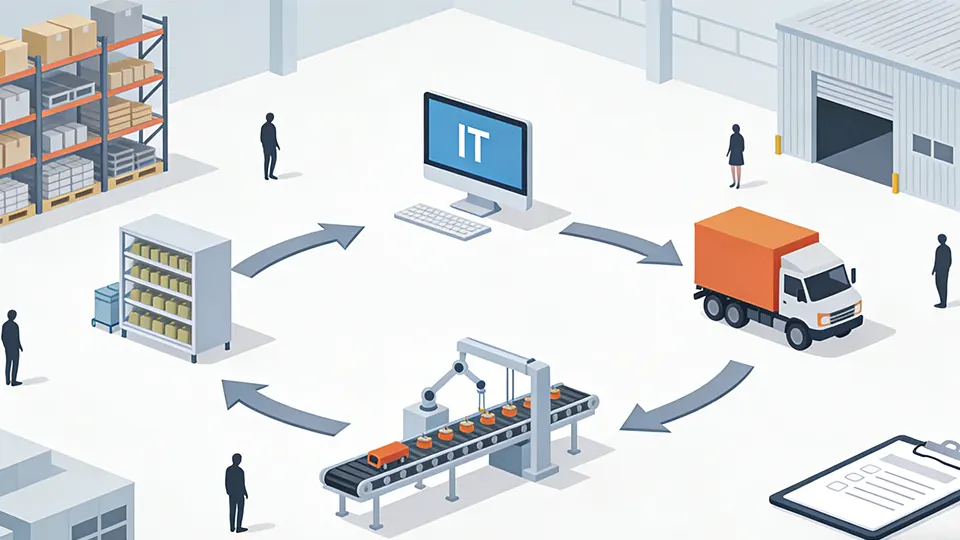
Risk Mitigation Strategies
1.Simulate Deployment Conditions
Conduct tests that replicate real warehouse and production environments to evaluate interference from metal, liquid, and machinery.
2.Standardize Operational Procedures
Develop detailed SOPs to ensure consistent staff execution, with mechanisms to handle anomalies.
3.Ensure Technical Compatibility
Verify tag-reader-software integration and test long-term system stability before scaling.
4.Model Costs and ROI
Create cost projections for large-scale deployment, including tags, readers, maintenance, and training expenses.
5.Implement Data Security Measures
Employ encryption, tamper-proof tags, secure networks, and regulatory compliance checks.
6.Foster Cross-Department Coordination and Training
Assign project leads, clarify responsibilities, and train staff for consistent system usage.
7.Continuous Monitoring and Feedback
Regularly analyze RFID system data, identify issues, and optimize processes, equipment, or tags to maintain long-term stability.
Conclusion
Achieving success in an RFID pilot does not guarantee seamless deployment across an enterprise. Technical, environmental, business process, cost, security, and management risks can all impact project outcomes.
Enterprises that proactively identify potential risks during the pilot stage, implement mitigation strategies, and continuously optimize processes are more likely to realize the full benefits of RFID systems. Proper planning enables reliable inventory and asset visibility, improved operational efficiency, and a sustainable return on investment, transforming RFID from a pilot experiment into a fully integrated enterprise solution.

