











Understanding RFID Hardware Beyond the Basics
In real deployments, RFID performance rarely depends on a single device. What determines stability is how hardware behaves within a physical environment—signal reflection, absorption, interference, and object movement all shape system outcomes.
When excluding consumables such as tags, RFID hardware can be understood as a structured sensing layer built around signal generation, signal propagation, and scenario integration. These components must work together under constraints such as space, material, and workflow.
A typical system is built on three essential hardware roles:
- Signal generation and decoding (Reader)
- Signal distribution and control (Antenna)
- Scenario integration (Portal, handheld, embedded systems)
The effectiveness of an RFID deployment depends less on individual specifications and more on how these components are combined to create predictable and controlled read zones.
Core RFID Hardware in Engineering Practice
RFID Readers: Processing and Control Layer
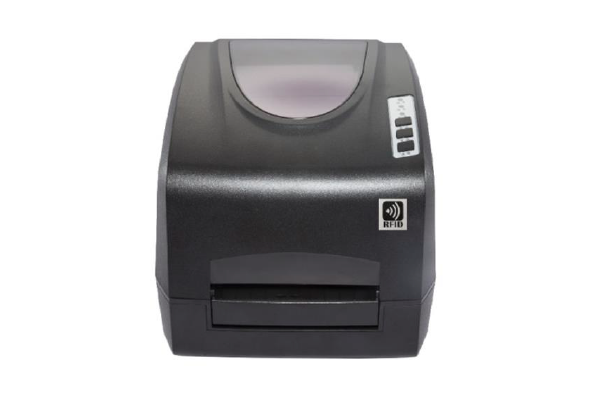
RFID readers (like DTB-UR08C UHF Eight Channel Reader) act as the control center of the system. They generate RF signals, manage communication with tags, and process multiple responses simultaneously using anti-collision algorithms.
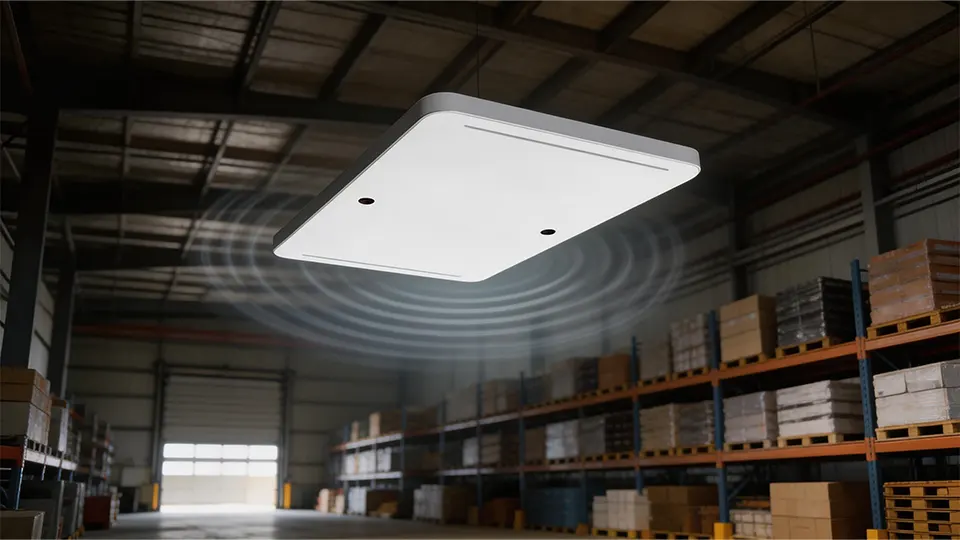
In industrial deployments, reader capability is often evaluated by throughput and stability rather than peak range. Modern UHF systems can process hundreds of tags per second, while high-performance devices can exceed 1000 tags per second under optimized conditions .
From an engineering standpoint, reader selection is usually based on:
- Output power (typically up to 30–33 dBm)
- Number of antenna ports
- Multi-tag processing capability
- Stability under continuous operation
In warehouse and industrial scenarios, configurations similar to fixed multi-port readers from dtbrfid.com are commonly used, allowing one reader to control multiple antennas and reduce system complexity.
RFID Antennas: The Real Performance Driver
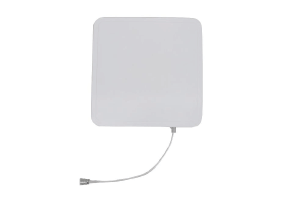
In practice, antennas have a greater impact on system performance than readers. They determine how RF energy is distributed, which directly affects read accuracy, coverage, and interference.
The relationship between antenna gain and read distance is well documented. For example, an 8 dBi antenna can achieve read ranges around 12–15 meters, while a 12 dBi antenna may extend this to over 20 meters under similar conditions .
However, increasing gain also narrows the beam, which introduces coverage gaps if not carefully planned. This makes antenna selection a balancing act between range and control.
Polarization further influences system behavior. Linear antennas provide longer range when tag orientation is stable, while circular antennas are more tolerant of unpredictable orientation. In dynamic environments such as logistics or retail, circular polarization is often preferred despite slightly lower range.
Another important factor is frequency. Different RFID bands offer different performance characteristics:
- LF systems typically operate within a few centimeters
- HF systems extend up to about 1 meter
- UHF systems commonly achieve several meters to over 10 meters
These differences make UHF the dominant choice for logistics and asset tracking applications .
Handheld RFID Devices: Mobility and Flexibility
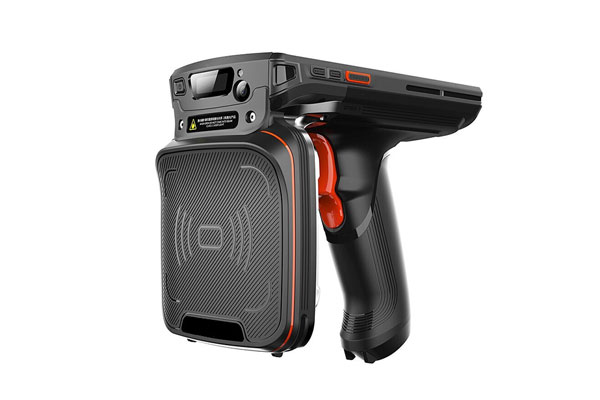
Handheld RFID devices are used where fixed infrastructure cannot provide full coverage. They integrate reader modules, antennas, and operating systems into portable units.
These devices are particularly effective for inventory counting and exception handling. While they provide flexibility, they introduce variability due to operator movement and environmental conditions. As a result, handheld devices are typically used alongside fixed systems rather than as replacements.
Scenario-Based RFID Hardware Integration
RFID Portals and Gate Systems
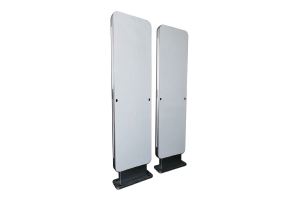
RFID portals are designed for automated identification at controlled entry and exit points. They combine readers and multiple antennas within a structured frame to create defined read zones.

Instead of increasing hardware quantity, portals rely on antenna coordination to improve accuracy. Properly configured systems can handle high-throughput environments such as warehouse loading areas without manual scanning.
Integrated RFID Terminals
Integrated terminals are purpose-built systems designed for specific workflows. These include access control readers, smart cabinets, and industrial workstations.
By combining reader, antenna, and control systems into a single device, these terminals reduce deployment complexity and improve consistency. Their design prioritizes stability over flexibility.
Embedded RFID Modules
RFID modules are used when RFID functionality needs to be embedded into other devices such as production equipment or smart shelves. These modules provide RF capabilities in compact form factors and are typically selected based on integration compatibility and stability.
Practical Selection Logic in Real Deployments
RFID hardware selection is not driven by specifications alone. It follows a structured process shaped by physical constraints and operational requirements.
The process typically involves:
- Defining identification objectives (bulk vs single, static vs dynamic)
- Evaluating spatial constraints (distance, coverage, boundaries)
- Assessing environmental conditions (metal, liquid, interference)
- Determining throughput requirements (tags per second)
- Considering integration requirements (standalone vs embedded)
Each of these factors directly influences hardware choice and system design.
Field-Proven Selection Principles
In practice, several principles consistently determine whether an RFID system performs reliably or fails during deployment:
- Coverage control is more important than maximum range
- Antenna layout has more impact than reader quantity
- Excessive transmit power often reduces stability
- Real-world testing is essential for tuning performance
These principles reflect actual deployment experience rather than theoretical specifications.
Performance Benchmarks and Real-World Data
RFID performance varies significantly between laboratory conditions and real environments. Typical benchmarks provide a general reference:
- Passive UHF read range: typically 3–10 meters, up to ~15–20 meters under optimized conditions
- High-gain antenna systems: up to 20–30 meters in controlled environments
- Multi-tag reading speed: hundreds to over 1000 tags per second
It is important to note that read performance is influenced more by antenna design and environment than by reader specifications alone.
Common Deployment Issues
Many RFID system failures are not caused by hardware limitations but by incorrect implementation. The most common issues include:
- Overlapping read zones causing duplicate reads
- Ignoring environmental interference such as metal reflection
- Incorrect antenna selection or placement
- Overuse of reader power leading to instability
Addressing these issues early in the design phase significantly improves system reliability.
Scenario-Based Hardware Recommendations
Different applications require different hardware strategies. In practice, the following patterns are commonly observed:
- Warehouse inventory: handheld devices combined with fixed readers
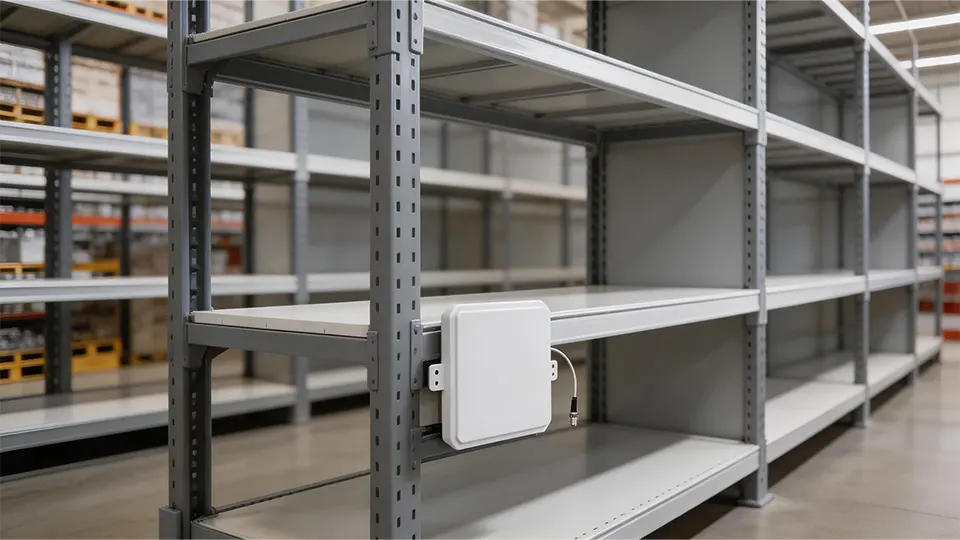
- Warehouse gates: multi-antenna fixed reader systems
- Asset tracking: fixed infrastructure with handheld support
- Production lines: embedded modules with controlled antenna layouts
These configurations are based on balancing coverage, accuracy, and cost.
Final Insight: What Actually Determines RFID Success
RFID hardware selection is not about choosing the most advanced equipment. It is about designing a system where RF behavior is predictable and controlled.
Successful deployments are defined by:
- Clearly defined read zones
- Proper antenna selection and placement
- Controlled signal strength
- Minimal but efficient hardware configuration
In most cases, system success depends more on engineering decisions than on hardware specifications.

