











Tag Definition Scope
In modern RFID-driven identification systems, washable RFID tags and disposable (single-use) RFID labels represent two fundamentally different engineering directions shaped by lifecycle requirements rather than simple material variation.
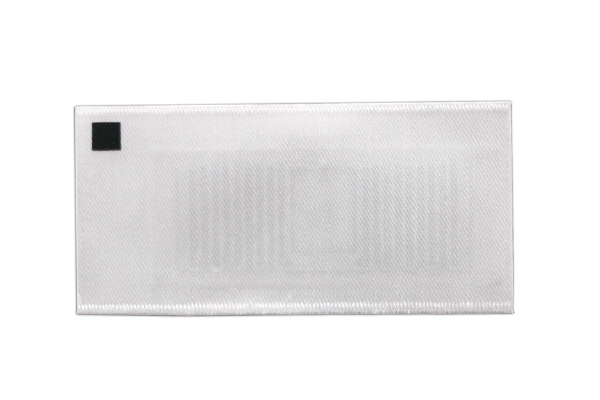
Washable tags are designed for repeated industrial laundering cycles, embedding durable encapsulation structures such as PPS (Polyphenylene Sulfide), silicone, or reinforced textile composites.
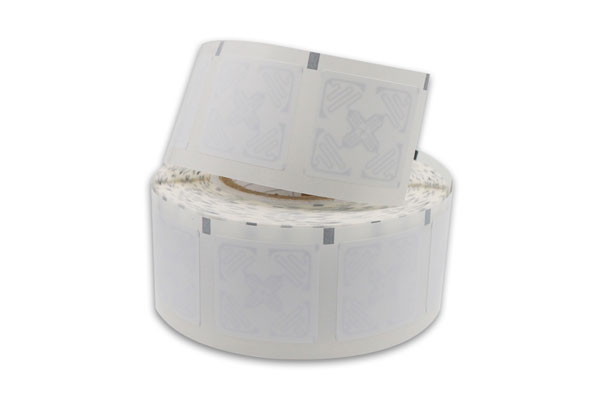
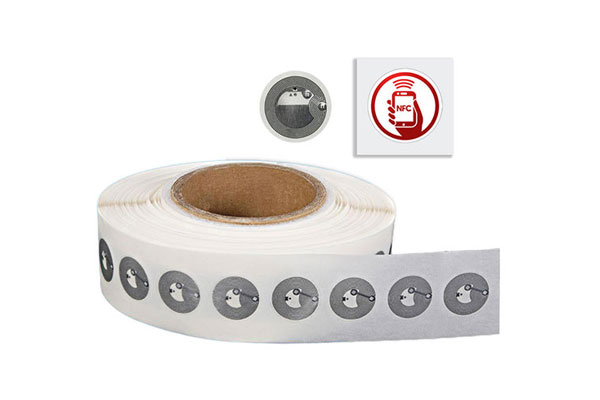
Disposable tags, by contrast, prioritize low-cost mass deployment, typically using PET or paper-based substrates with simplified antenna structures intended for short-term tracking.
Industry deployment data indicates that washable RFID tags are commonly designed to withstand more than 100–200 industrial wash cycles under temperatures ranging from -20°C to 200°C depending on encapsulation grade, while disposable RFID tags are generally engineered for a lifecycle shorter than 6 months in logistics or retail environments.
In controlled hospitality operations, RFID-enabled linen tracking systems have shown inventory accuracy improvements exceeding 95% when washable tags are applied consistently across full asset pools.
By contrast, disposable RFID labeling systems in retail environments typically operate with item-level accuracy improvements between 85% and 97%, depending on reader density and tagging consistency.
The core distinction is not durability alone but system philosophy: washable tags support circular asset management, while disposable tags support linear supply chain flow.
Structural Core
From an engineering perspective, washable and disposable RFID tags diverge significantly in substrate, encapsulation, and IC integration strategy.
Washable RFID tags frequently utilize high-temperature resistant materials such as PPS or reinforced silicone, encapsulating antenna structures designed to survive repeated mechanical stress, dehydration cycles, and chemical exposure.
Disposable tags typically rely on aluminum-etched antennas printed on PET films, optimized for cost rather than endurance.
Common chipsets used across both categories include NXP UCODE 8, NXP UCODE 9, Impinj Monza R6, and Impinj Monza 4QT, each offering varying trade-offs in read sensitivity, memory architecture, and anti-collision performance.
For example, UCODE 9-based textile tags are widely documented to sustain over 200 industrial washing cycles while maintaining stable EPC memory integrity, making them suitable for long-life textile assets such as hospital linens and hotel uniforms.
Monza 4QT-based designs, although older, remain widely deployed in cost-sensitive apparel tracking systems due to their stable Gen2 performance and low unit cost.
In industrial laundry deployments, a typical washable RFID tag is optimized for embedding into textile seams without affecting fabric flexibility or comfort.

A notable technical observation is that washable tags often require dual-layer antenna reinforcement to maintain stable read performance after repeated bending cycles, whereas disposable tags prioritize thin-film antenna designs that reduce material cost but degrade more quickly under mechanical stress.
Usage Patterns
Application scenarios clearly define the boundary between washable and disposable RFID tag selection.
Washable RFID tags dominate environments where assets circulate in closed loops and require repeated lifecycle tracking. These include hotel linen management, hospital surgical textile tracking, industrial uniform leasing, and sports team equipment management.
In these environments, each asset may pass through washing and reuse cycles exceeding 150 iterations, making reusability a core requirement rather than an option.
Disposable RFID tags, on the other hand, are primarily deployed in retail logistics, e-commerce packaging, express delivery systems, and short-cycle inventory control.
These tags are typically attached to single-use cartons, garment packaging, or temporary shipment units where post-consumption recovery is not economically justified.
A structured comparison of usage distribution can be summarized as follows:
- Washable RFID tags are primarily used in closed-loop asset systems such as hospitality and healthcare.
- Disposable RFID tags are primarily used in open-loop logistics and retail supply chains.
Industry studies indicate that in textile rental systems using washable RFID tags, processing efficiency improvements of up to 70% have been observed in inventory reconciliation workflows.
Meanwhile, retail environments adopting disposable RFID tagging report average cycle time reductions of approximately 40% in receiving and outbound verification processes.
In hospital environments, washable RFID tagging systems have been associated with a reduction in linen loss rates from approximately 12% to below 3%, demonstrating strong operational impact when applied at scale.
Lifecycle Economics
Cost structure remains one of the most decisive factors in selecting between washable and disposable RFID tags.
Washable RFID tags typically carry a unit cost that is 3 to 10 times higher than disposable tags at procurement stage.
However, when amortized across lifecycle usage, their per-cycle cost becomes significantly lower.
Disposable RFID tags are generally priced in high-volume deployments at fractions of a cent to a few cents per unit depending on chip type and encoding requirements.
Washable tags, particularly those using reinforced PPS encapsulation and UHF Gen2 chips, can cost significantly more upfront but may survive operational lifetimes exceeding 2 to 5 years.
Empirical deployment data shows that washable RFID systems in industrial laundry environments can reduce per-asset tracking cost by approximately 35% over a 3-year period compared to barcode-based systems, primarily due to reduced labor requirements and error correction overhead.
Disposable RFID systems in retail logistics typically achieve ROI within 12 to 24 months when implemented at scale, particularly in high-throughput warehouses processing more than 10,000 units per day.

In high-volume distribution centers, RFID-enabled automation has been shown to reduce manual scanning labor requirements by up to 60%, while improving inventory accuracy to above 98% in optimized deployments.
Performance Stability
Signal stability and read reliability differ significantly between washable and disposable RFID tags due to structural and environmental constraints.
Washable RFID tags are engineered to maintain stable read performance after exposure to water immersion, detergent chemicals, mechanical tumbling, and high-temperature drying cycles.
Testing data from industrial textile RFID systems shows that high-grade washable tags can withstand over 200 wash cycles, 60 bar pressure resistance, and sustained exposure to temperatures above 180°C during drying and sterilization phases.
Disposable tags, by contrast, are typically validated for ambient warehouse environments and may experience performance degradation under moisture or mechanical stress.
Chip-level integration also plays a role in performance consistency.
Chips such as Impinj Monza R6-P and NXP UCODE 9 are frequently selected for washable applications due to improved sensitivity and memory robustness.
In contrast, lower-cost disposable tags may use simplified IC configurations optimized for single-pass reads rather than long-term stability.
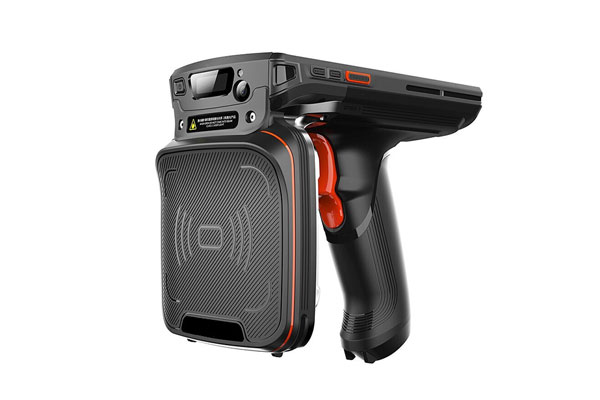
A key operational difference is read redundancy: washable RFID systems often integrate multi-pass reader architectures to ensure 99%+ read accuracy even in dense textile stacks, while disposable systems rely more heavily on conveyor-based single-pass scanning.
Selection Logic
Selection between washable and disposable RFID tags is primarily determined by lifecycle duration, environmental exposure, and economic structure rather than purely technical performance.
The decision process in industrial deployments typically follows a structured logic:
- If the asset undergoes repeated use cycles exceeding 20 times, washable RFID tagging becomes economically justified.
- If the asset lifecycle is under 6 months and non-recoverable, disposable RFID tagging remains the optimal choice.
Additional decision factors include environmental exposure, regulatory constraints, and automation integration requirements.
In high-humidity or high-temperature environments such as industrial laundry, washable tags are functionally mandatory.
In contrast, fast-moving consumer goods supply chains prioritize disposable tagging to minimize per-unit cost overhead.
Operational data indicates that misalignment between tag type and application scenario can increase system failure rates by up to 25%, primarily due to tag degradation, unreadable labels, or excessive replacement cycles.
Conversely, correctly matched tagging strategies can improve end-to-end tracking efficiency by more than 60% in mixed-asset environments.
Summary Logic
The distinction between washable RFID tags and disposable RFID tags is ultimately a reflection of asset lifecycle philosophy.
Washable tags are engineered for persistence, reuse, and environmental resilience, while disposable tags are optimized for scalability, cost efficiency, and short-cycle logistics visibility.
When evaluated across performance stability, lifecycle cost, and system integration depth, washable RFID tags demonstrate superior long-term economics in closed-loop asset systems, whereas disposable RFID tags remain indispensable in high-volume, fast-turnover supply chains.
The coexistence of both technologies reflects the broader dual structure of modern RFID ecosystems, where durability and disposability serve equally critical but fundamentally different operational roles.

