











Managing 3D Printing Materials Requires More Than Basic Inventory Records
Industrial 3D printing has become an important manufacturing method for industries including aerospace, automotive, healthcare, electronics, and customized production. As companies increase the number of printers and expand material options, managing printing materials accurately has become an essential part of daily production operations.
3D printing material management covers the complete process of receiving, identifying, storing, preparing, using, and monitoring printing materials. It applies to different material types, including PLA, ABS, PETG, TPU, PA, PC, PEEK, resin cartridges, and composite filaments.
In a small workshop, operators may only manage a limited number of filament spools. However, industrial production environments can involve hundreds or thousands of material units with different specifications, suppliers, colors, and production batches. Each material may require different printing parameters and storage conditions.
For example, engineering materials such as PEEK and carbon fiber reinforced filament require strict handling procedures because material quality can directly affect final part performance. Without accurate records, production teams may face problems such as selecting incorrect materials, losing track of remaining stock, or using materials without complete batch information.
A reliable material management system allows manufacturers to answer important questions:
- Where is each material stored?
- Which printer used a specific filament batch?
- How much material remains available?
- When was the material received or opened?
- Does the material match the current production requirement?
RFID technology provides an effective method for connecting physical materials with digital information. By creating a unique identity for each filament spool or material container, companies can improve inventory visibility and establish a traceable production workflow.
Common Problems in Traditional Filament and Material Management
Many 3D printing facilities still rely on spreadsheets, handwritten notes, or barcode labels to manage materials. These methods are easy to implement but become inefficient as production volume increases.
Manual records often depend on operators remembering to update information after receiving, moving, or consuming materials. In busy production environments, inventory data can quickly become inaccurate.
Several common issues affect daily operations:
- Difficulty locating specific filament spools among large inventories with similar appearances.
- Limited visibility into material usage history and remaining quantities.
- Risk of incorrect material selection caused by incomplete identification information.
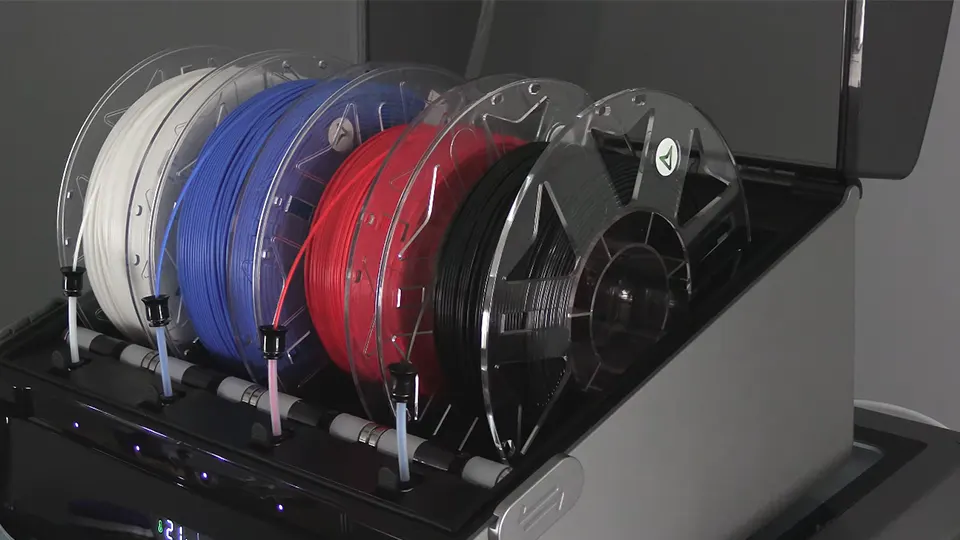
Material storage is another important factor. Many filaments require controlled environments to maintain quality. Nylon, for example, is sensitive to moisture absorption, while high-performance materials such as PEEK require specific storage and preparation processes before printing.
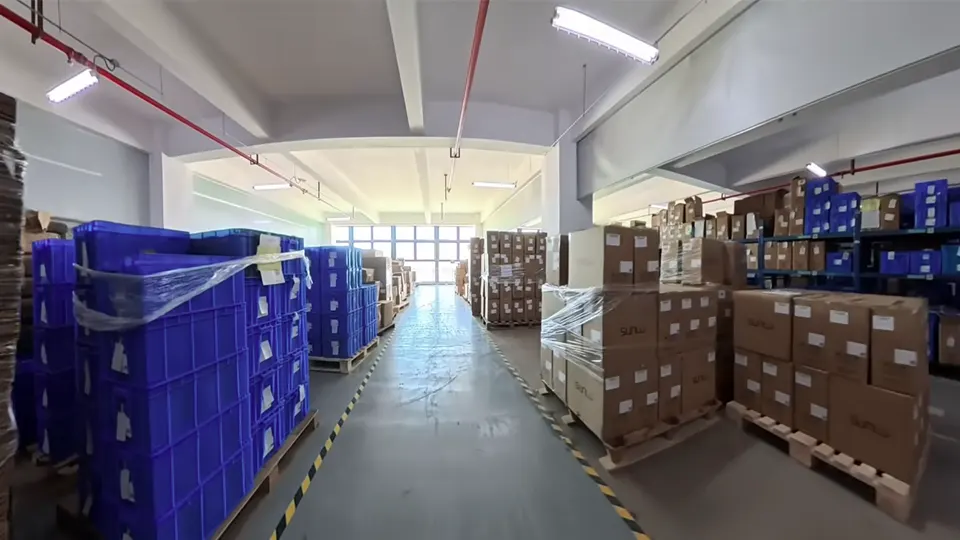
A digital material management system helps organize information throughout the material lifecycle. From warehouse entry to final production use, every material unit can maintain a complete record including supplier details, batch information, storage location, and consumption history.
This approach improves production planning and reduces unnecessary material waste caused by outdated or misplaced inventory.
RFID Creates a Digital Identity for Every 3D Printing Material
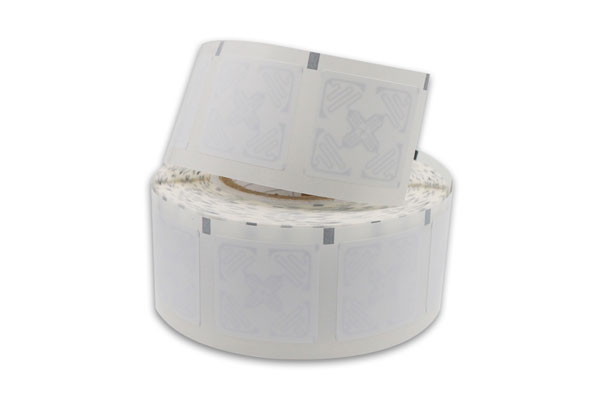
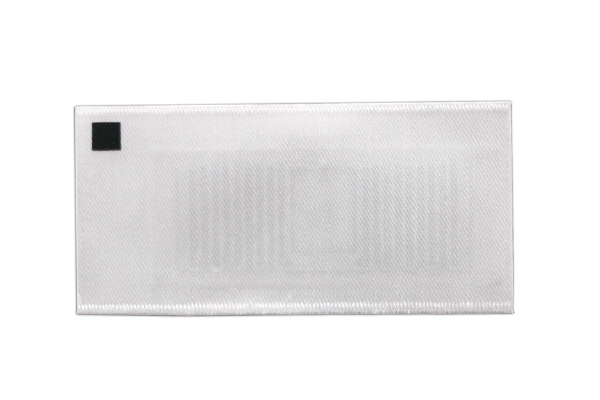
RFID-based material tracking works by attaching an RFID label to each filament spool, resin container, or material package. The RFID chip stores digital information that can be accessed automatically through RFID readers.
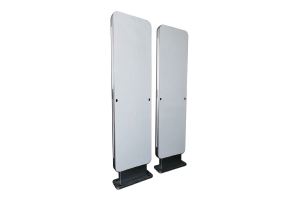
Compared with traditional barcode systems, RFID does not require direct visual scanning. Multiple tagged items can be identified simultaneously, making it suitable for warehouses, smart cabinets, and production environments where large quantities of materials need to be managed.
A complete RFID-based 3D printing material management process usually includes:
1. Material registration: Each spool or container receives an RFID identity containing information such as material type, supplier, batch number, and production date.
2. Storage tracking: RFID readers automatically update material location and inventory status when materials enter or leave storage areas.
3. Production verification: Before printing begins, operators can confirm that the selected material matches the required specification.
4. Usage recording: Material consumption information is connected with production records for traceability and analysis.
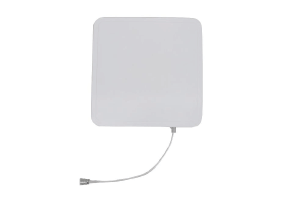
UHF RFID systems based on EPC Class 1 Gen 2 and ISO 18000-6C standards are widely used for industrial identification because they provide long-distance communication and efficient data collection. Operating within the 860-960 MHz frequency range, UHF RFID solutions can typically achieve reading distances from several meters depending on tag design, reader power, and installation conditions.
Tracking the Complete Lifecycle of 3D Printing Materials
Effective 3D printing material management requires visibility throughout the entire lifecycle of each material unit. A filament spool does not simply move from storage to a printer; it passes through multiple stages where information needs to be recorded and updated.
From material receiving to final consumption, digital tracking helps manufacturers maintain consistent records and improve production control. RFID identification provides the connection between physical materials and software platforms, allowing each spool or container to carry its own digital history.
A complete material lifecycle management process generally includes:
1. Receiving and identification: When new filament or resin materials arrive, product information is registered and linked with an RFID identity. Data such as material category, supplier, batch number, weight, and storage requirements can be recorded.
2. Storage and condition management: Materials are assigned to specific storage locations. RFID readers can help monitor movement between warehouses, drying cabinets, and production areas.
3. Production preparation: Before loading materials into a 3D printer, operators can verify material specifications and confirm compatibility with the selected printing process.
4. Consumption and history tracking: After production, the system records material usage, remaining quantity, and related manufacturing information for future reference.
This lifecycle approach is especially valuable for companies producing functional parts rather than simple prototypes. In industries such as aerospace, medical manufacturing, and automotive production, material traceability is closely connected with quality control requirements.
RFID-based tracking also helps companies improve purchasing decisions. When inventory data is accurate, manufacturers can understand consumption patterns, avoid unnecessary stock accumulation, and maintain appropriate material availability for production schedules.
RFID Printing and Encoding Makes Material Identification More Efficient
A key step in building a digital material management system is creating RFID labels that contain both visible information and electronic data. This process requires RFID printing and encoding equipment capable of writing information into RFID chips while producing readable labels.
For 3D printing applications, RFID labels can store important material information, including filament type, diameter, color, supplier, batch number, production date, and storage instructions. The printed section allows operators to quickly recognize materials, while the embedded RFID data enables automated tracking through software systems.
The RFID printer plays an important role when new materials enter a production environment. Instead of manually creating records, operators can generate standardized RFID labels and associate each material unit with a digital database.
UHF RFID printers support chips from different manufacturers depending on application requirements. Impinj M730 and Impinj M750 chips are commonly selected for industrial identification because they support EPC Gen2 standards and provide reliable performance in supply chain environments. NXP UCODE 8 and UCODE 9 chips are also widely used in UHF RFID applications requiring stable identification and global compatibility.
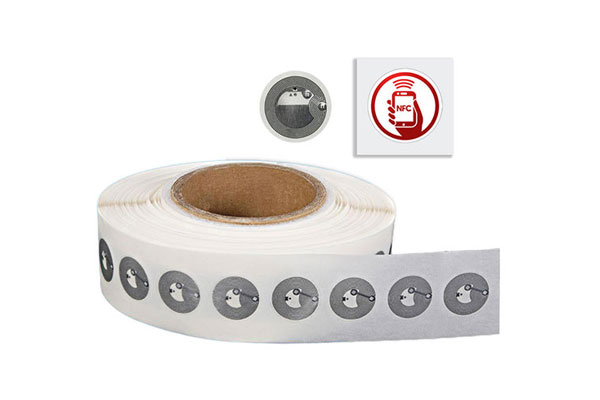
For short-range applications, NFC chips such as NTAG213 can support smartphone interaction, product authentication, and quick access to material information. However, large-scale inventory management for 3D printing materials usually relies on UHF RFID because of its longer reading distance and multi-tag identification capability.
DTB-P10U Supports RFID-Based 3D Printing Material Identification Workflows
Creating RFID labels efficiently is an important part of automated material management. For manufacturers and system integrators, RFID printing equipment provides a practical way to connect physical materials with digital inventory systems.
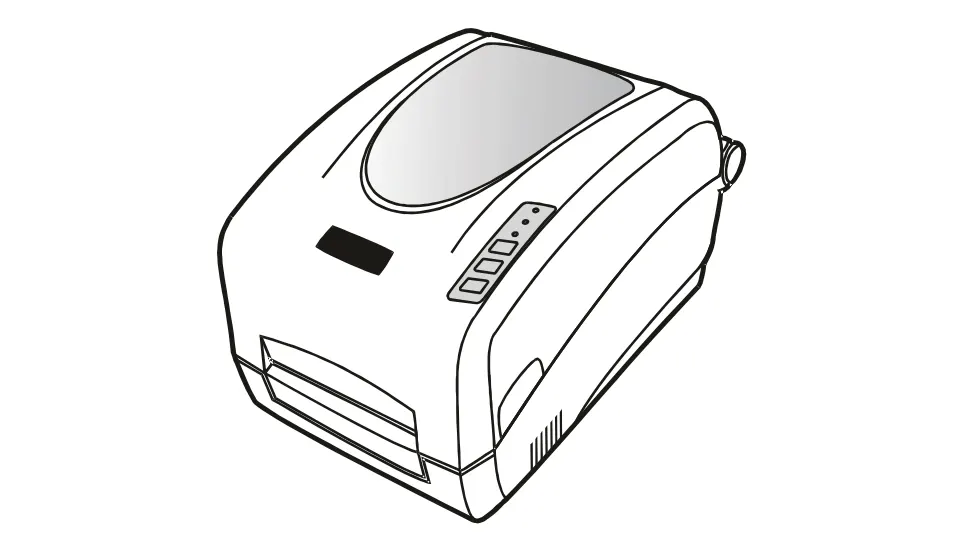
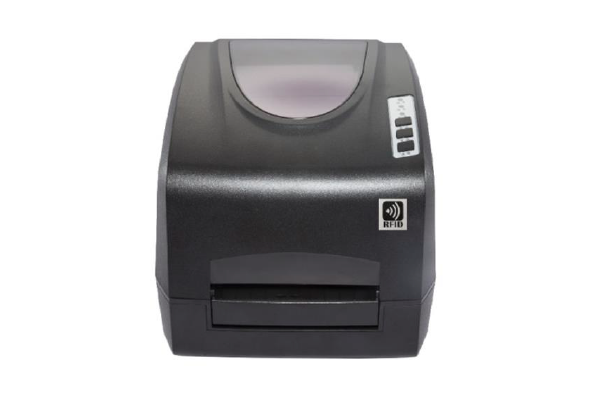
DTB RFID’s DTB-P10U UHF RFID Desktop Printer is designed for RFID label printing and encoding applications where accurate material identification is required. In a 3D printing material management workflow, the printer can be used to create RFID labels for filament spools, resin containers, and material packages while encoding information into RFID chips.
By combining label printing and RFID data writing in one process, the DTB-P10U helps companies establish standardized identification procedures. Material information such as spool ID, batch number, supplier details, and storage records can be encoded during label creation and later connected with inventory management platforms.
For 3D printing solution providers, integrating an RFID printer into a material tracking system creates additional value. Equipment manufacturers and automation companies can combine RFID identification, inventory software, and production monitoring systems to provide customers with a complete material management solution.
Connecting Material Data with MES, ERP, and Smart Manufacturing Systems
RFID-based 3D printing material management becomes more effective when connected with existing enterprise systems. Manufacturing companies often use MES, ERP, or WMS platforms to manage production orders, inventory, and operational data.
Through software integration, RFID material information can be transferred automatically into these systems. This allows production teams to connect material records with manufacturing activities and maintain accurate production history.
A connected RFID workflow can support:
- Real-time inventory visibility across warehouses and production areas.
- Automatic material verification before printing operations.
- Complete traceability between materials, machines, and production orders.
For companies operating multiple 3D printers, this integration reduces manual data entry and improves coordination between material storage and production planning.
The growing adoption of additive manufacturing has increased the need for more organized material control. According to industry analysis, industrial 3D printing applications continue to expand across manufacturing sectors, with companies investing in digital tools that improve efficiency and production transparency.
RFID technology provides a practical foundation for these improvements by connecting material identity with manufacturing data.
FAQ: RFID Solutions for 3D Printing Material Management
How can RFID improve 3D printing filament management?
RFID allows each filament spool or material container to receive a unique digital identity. Manufacturers can track material location, batch information, usage records, and inventory status through RFID systems.
Why is RFID suitable for industrial 3D printing materials?
RFID supports automatic identification without direct scanning and can read multiple tagged materials simultaneously. This makes it suitable for warehouses, smart storage cabinets, and production environments.
Can RFID printers create labels for different 3D printing materials?
Yes. RFID printers can encode RFID chips and print labels for filament spools, resin containers, and other material packages. The label format can be selected according to different application requirements.
Can RFID material tracking connect with existing manufacturing software?
Yes. RFID systems can integrate with MES, ERP, and WMS platforms to connect material information with production and inventory management processes.
For manufacturers, 3D printing service providers, and system integrators, RFID-based material management provides a practical method to improve inventory accuracy, strengthen traceability, and optimize production workflows. By combining RFID identification, printing and encoding technology, and software integration, companies can build a more efficient management system for modern additive manufacturing operations.

