









Material to Digital Identity
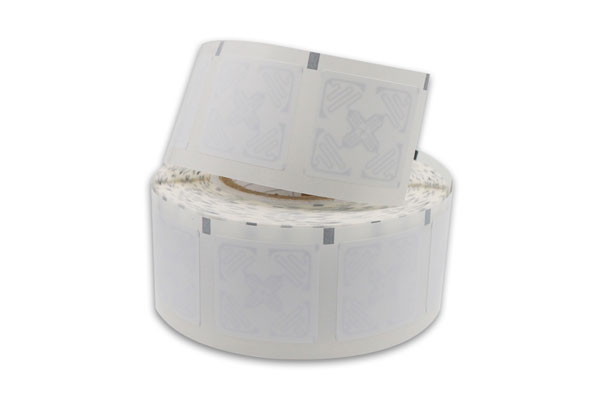
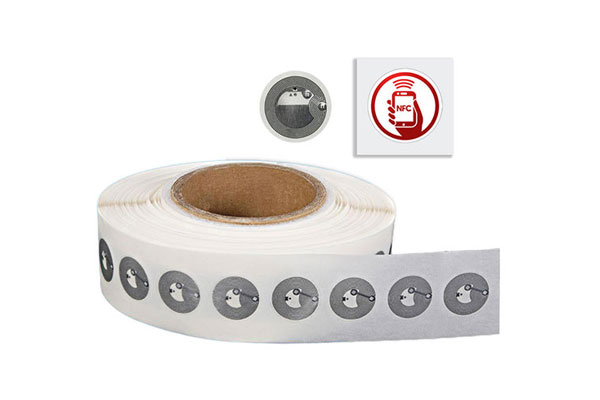
Full-process RFID traceability in manufacturing refers to an event-driven identification system that connects raw materials, work-in-progress (WIP), finished goods, and logistics movements into a unified digital thread. Each physical unit is assigned a unique RFID identity, enabling automatic recognition across production environments without line-of-sight scanning.
In modern industrial deployments, read accuracy typically ranges from 99.5% to 99.9%, depending on antenna configuration, tag placement, and environmental interference. This level of precision enables real-time manufacturing visibility across high-speed production lines where manual data capture is no longer feasible.
A single automotive production line can generate more than 12,000 RFID events per hour, with each event binding timestamp, workstation ID, and process status. In electronics manufacturing, PCB-level tracking often increases event density by 3–5 times compared to discrete assembly environments. This continuous data stream forms the foundation of digital manufacturing execution.
RFID System Layers
A manufacturing RFID traceability system is structured into four integrated layers that separate physical identification from enterprise decision-making.
- Identification Layer: RFID tags attached to raw materials, components, pallets, and finished goods
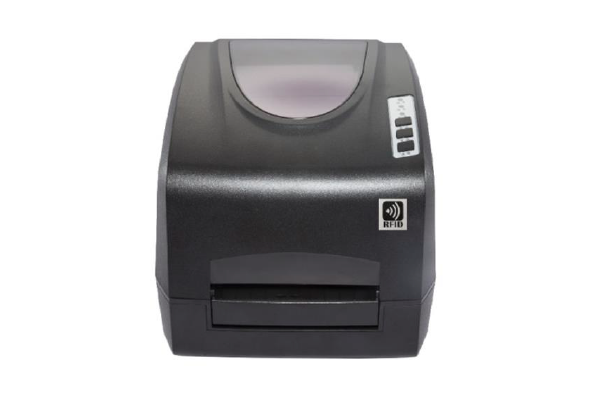
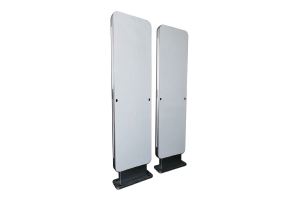
- Acquisition Layer: Fixed readers, handheld devices, and tunnel portals for automatic capture
- Integration Layer: Middleware systems for filtering, deduplication, and event structuring
- Application Layer: MES, ERP, and WMS platforms for operational execution
This architecture supports scalable deployment from small workshops to fully automated smart factories. A single RFID portal can process up to 800–1,200 tagged items per minute, depending on antenna density and tag orientation.
Industrial RFID systems commonly use semiconductor chips such as Impinj Monza R6, NXP UCODE 8, and Alien Higgs-3. The Monza R6 series supports high-speed encoding environments exceeding 1,000 tag operations per second, while NXP UCODE 8 is optimized for dense multi-tag anti-collision scenarios involving up to 1,500 tags per read field.
Without middleware optimization, a mid-sized factory may generate over 2 million raw RFID signals per day, requiring filtering to remove redundant reads before system integration.
RFID Production Flow
RFID-enabled manufacturing relies on a structured event chain that connects physical movement with digital traceability records. Each stage generates a verifiable data point that builds a complete production history.
- Raw material entry is captured via RFID tunnel readers at warehouse gates, recording supplier ID, batch number, and arrival timestamp
- Materials are assigned to production orders and linked to RFID identities before entering manufacturing stations
- Each workstation automatically records process completion events through fixed read zones
- Quality inspection results are appended to product identity records, including defect classification and pass/fail status
- Finished goods are aggregated and verified before outbound logistics processing
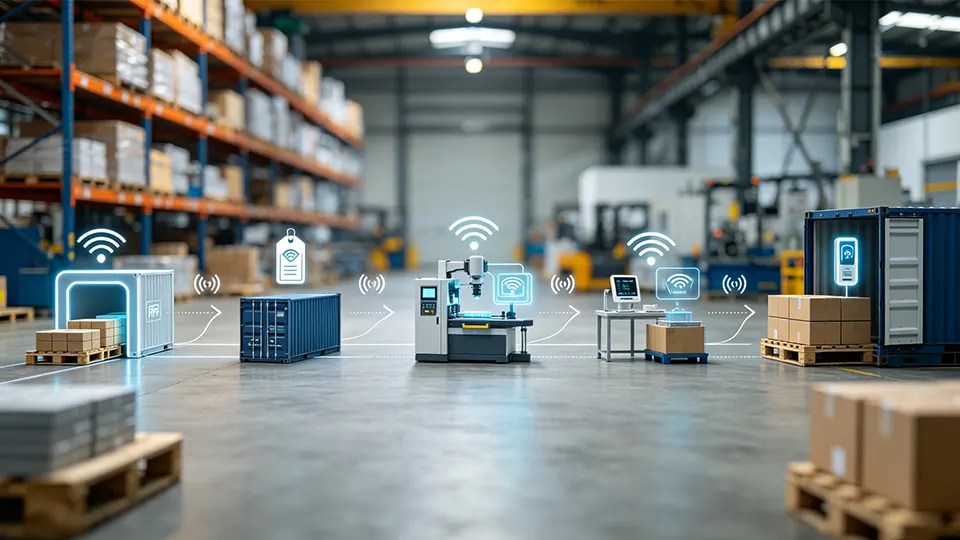
This structured flow reduces traceability retrieval time from an average of 45 minutes to under 8 seconds in regulated industries such as aerospace and medical device manufacturing.
Traditional manufacturing environments often show data mismatch rates between production and warehouse systems of 3–7%, while RFID-based systems reduce this to below 0.5% through automated reconciliation.
When integrated with MES platforms such as Siemens Opcenter or SAP Manufacturing Execution, RFID event streams can trigger real-time production adjustments. For example, when WIP accumulation exceeds predefined thresholds, workstation balancing logic can redistribute load dynamically across production cells.
Industry Use Cases
RFID traceability is widely deployed across manufacturing sectors where compliance, precision, and throughput are critical. Each industry applies RFID at different granularity levels depending on product complexity.
In automotive manufacturing, RFID tracks chassis progression across more than 300 production checkpoints. A single vehicle may accumulate over 1,200–1,500 traceable data points before leaving the factory, including torque verification, part matching, and painting validation.
In electronics manufacturing, PCB and component-level RFID tracking achieves traceability accuracy above 99.7%, ensuring every micro-component can be linked to its original supplier batch. High-density SMT lines often process more than 50,000 components per shift, requiring continuous automated identification.
In apparel and footwear manufacturing, RFID improves inventory accuracy from 85% to 98.5%, significantly reducing stock discrepancies across distributed warehouses. Large-scale retail supply chains report inventory cycle time reductions of 30–40% after RFID adoption.
- Automotive and heavy equipment manufacturing
- Electronics and semiconductor production
- Apparel, footwear, and textile supply chains
- Pharmaceutical and medical device compliance systems
Each sector relies on the same principle: persistent digital identity across the entire product lifecycle.
Hardware and Chip Ecosystem
RFID system performance in manufacturing environments depends heavily on tag durability, chip architecture, and reader sensitivity. Industrial conditions often include metal surfaces, heat exposure, vibration, and chemical contamination.
UHF RFID remains the dominant standard due to its balance of read range and data capacity. In metal-intensive environments such as automotive welding lines, specialized anti-metal tags are required to maintain signal stability.
Chip performance directly impacts system throughput. NXP UCODE 8 provides strong anti-collision performance in dense environments exceeding 1,500 simultaneous tag reads, while Alien Higgs-3 supports long-range readability exceeding 10 meters under optimized antenna setups.
Deployment Path
RFID traceability implementation follows a phased deployment model aligned with factory maturity and system integration readiness.
- Warehouse-level deployment establishes inbound and outbound inventory visibility through RFID tagging and gate scanning
- Production-level deployment extends RFID coverage into WIP tracking and workstation-level event capture
- System integration phase connects RFID data with MES, ERP, and WMS platforms for automated execution
- Advanced analytics phase applies historical RFID datasets for forecasting, optimization, and predictive maintenance
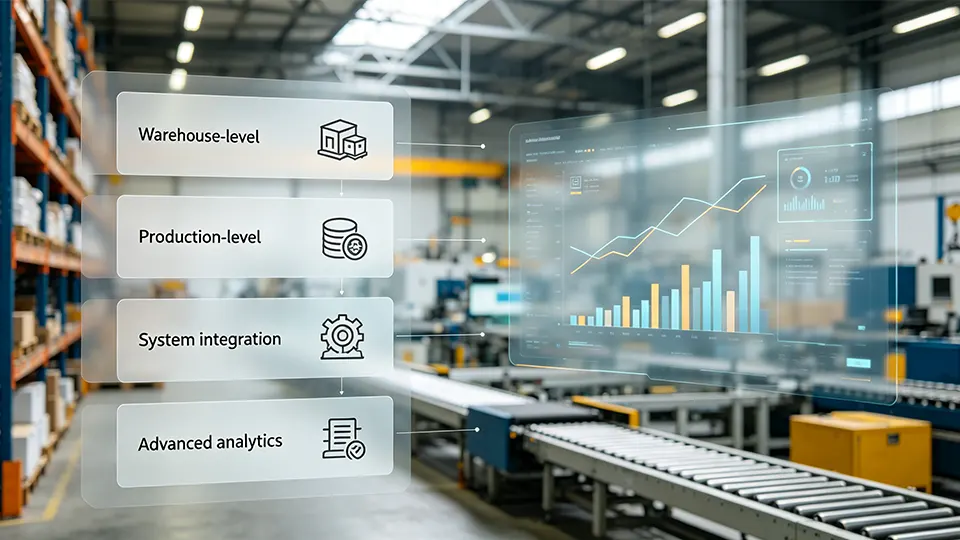
This phased approach minimizes operational disruption while delivering incremental ROI. In industrial case studies, companies report 20–35% improvement in inventory turnover efficiency within 12 months of deployment.
RFID system uptime in optimized environments typically exceeds 99.6%, even under continuous 24/7 manufacturing conditions. In high-volume factories, downtime reduction of even 1% can translate into significant annual cost savings.
The combination of chip-level identification, real-time event capture, and enterprise system integration establishes a fully traceable production environment where every unit carries a continuous and verifiable history from raw material to final delivery.
