










Efficient inventory management is critical for businesses across industries, from retail and manufacturing to logistics and healthcare. Companies constantly seek ways to reduce errors, improve efficiency, and gain better visibility into their stock. One technology increasingly considered is Radio-Frequency Identification (RFID). While RFID offers many potential benefits, implementing it without careful analysis can be costly and inefficient. This article explores how to determine whether RFID is the right solution for your inventory needs, helping you make an informed decision.
Understanding RFID Technology
Before evaluating whether RFID fits your business, it’s essential to understand how it works.
What is RFID?
RFID is a wireless communication technology that uses radio waves to identify, track, and manage objects. An RFID system typically consists of three components:
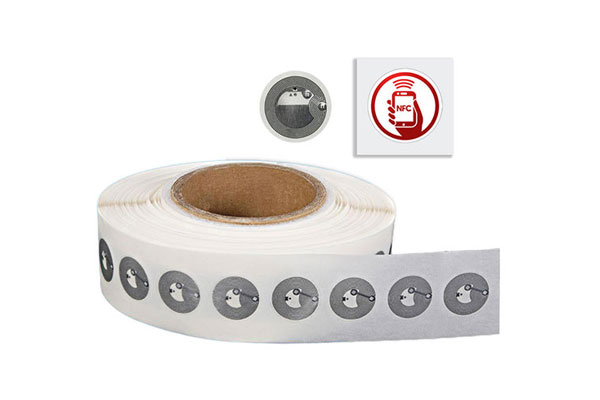
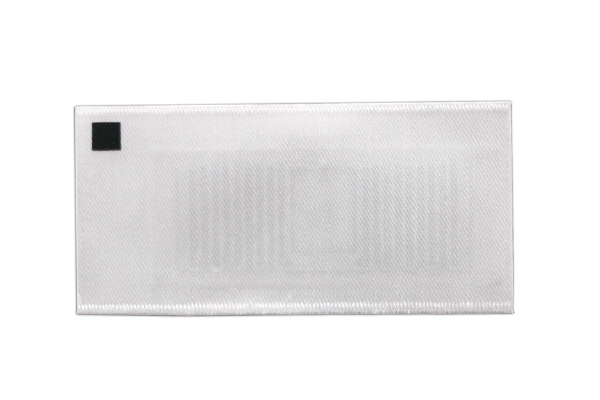
RFID tags: Small devices attached to products or containers. Tags can be passive (powered by the reader’s signal) or active (with their own power source).
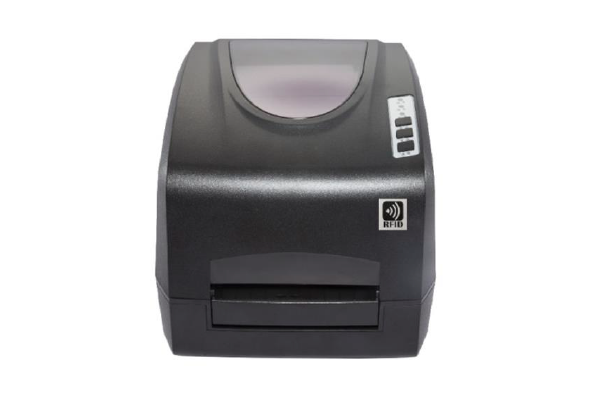
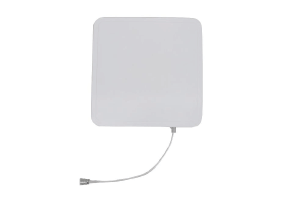
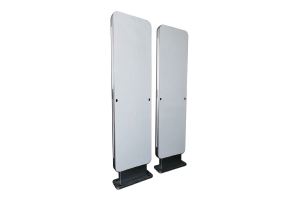
RFID readers: Devices that send radio signals to detect and read tags. Readers can be handheld or fixed in locations like entrances or warehouse aisles.
Data management software: Systems that collect, organize, and analyze data captured by readers, often integrating with existing ERP or inventory platforms.
RFID vs. Traditional Barcode Systems
Many companies wonder how RFID compares to barcodes, a long-standing inventory management tool. Key differences include:
Line-of-sight requirement: Barcodes need to be scanned visually, while RFID can read multiple tags simultaneously without direct line of sight.
Read speed: RFID dramatically reduces scanning time for large volumes of items.
Data capacity: RFID tags can store more information than barcodes, including item history, batch numbers, and manufacturing details.
Durability: RFID tags can withstand harsh environments, such as moisture, heat, or chemicals, which often damage barcodes.
Understanding these differences is crucial when weighing the potential ROI of RFID against the cost and effort of implementation.
Assessing Inventory Challenges
RFID is not a universal solution. Its suitability depends on the specific challenges your business faces.
Inventory Accuracy
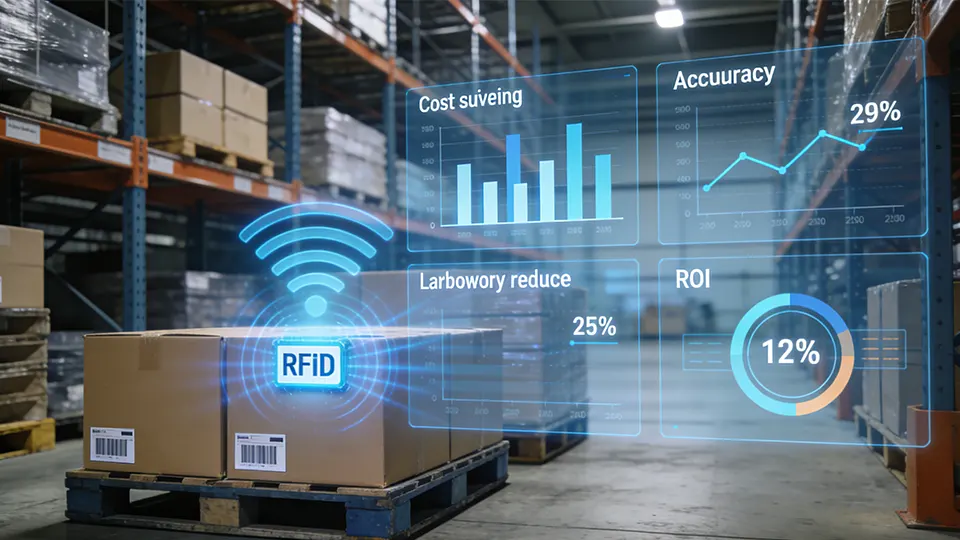
For companies experiencing frequent stock discrepancies, misplaced items, or shrinkage, RFID offers significant improvements. The technology allows near real-time tracking, which reduces human error during manual counts and ensures that inventory records are consistently accurate.
Inventory Volume and Turnover
High-volume and fast-moving inventories benefit most from RFID. For example, retail stores with thousands of SKUs or warehouses handling thousands of units per day can save substantial labor hours and reduce delays by scanning multiple items at once. For smaller, low-volume businesses, the investment may not justify the cost.
Supply Chain Complexity
Companies with multi-location supply chains or frequent inter-warehouse transfers may find RFID particularly advantageous. RFID enables seamless tracking of items from production to retail shelves, improving visibility and reducing stockouts or overstock situations.
Security and Anti-Theft
RFID tags can double as anti-theft devices in retail settings. Unlike EAS systems or barcodes, RFID can trigger alerts if items leave a store without being scanned, enhancing loss prevention without requiring additional steps from staff.
Evaluating Cost and ROI
One of the most critical steps in deciding whether RFID is suitable is evaluating cost versus potential return.
Upfront Investment
RFID implementation can be costly. Expenses include:
RFID tags (passive or active)
Readers and antennas
Middleware and software integration
Staff training
Possible infrastructure adjustments (gates, fixed readers)
Understanding these costs upfront helps avoid unexpected overruns.
Long-Term Savings
Despite high initial costs, RFID can deliver significant savings:
Reduced labor costs due to faster inventory counts
Decreased errors and associated losses
Better stock optimization, reducing overstock and stockouts
Enhanced security and reduced theft
Calculating ROI
ROI calculations should consider both tangible and intangible benefits. Tangible factors include reduced labor hours and inventory losses, while intangible factors include improved customer satisfaction, faster product replenishment, and real-time visibility into supply chains.
Considerations for RFID Implementation
Even if RFID seems suitable, successful deployment requires careful planning.
Tag Selection
Choosing the right RFID tag is crucial. Consider:
Frequency type: High-Frequency (HF) or Ultra-High-Frequency (UHF) depending on reading distance and environment.
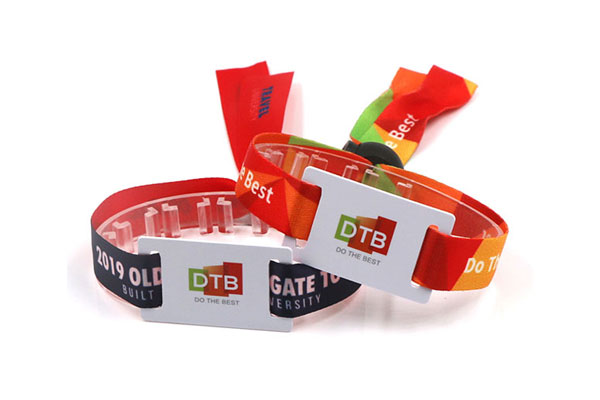
Form factor: Tags can be labels, cards, wristbands, or embedded in packaging.
Durability: Ensure tags can withstand handling, temperature, and moisture conditions.
Reader Placement and Environment
Proper placement of RFID readers is essential to maximize coverage and accuracy. Factors to consider:
Physical obstructions (metal racks, walls, liquids) that can interfere with signals
Read range requirements (handheld vs. fixed readers)
Integration with existing warehouse or retail layout
Data Integration
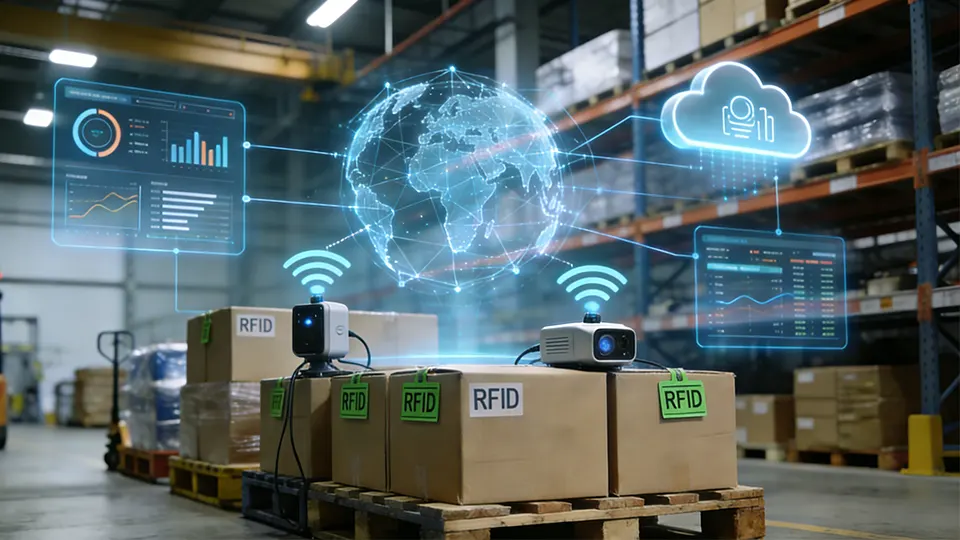
RFID alone is insufficient; the system must integrate with inventory management software to realize benefits. Key considerations:
Compatibility with ERP, WMS, or POS systems
Data processing capabilities to handle high volumes of reads
Reporting and analytics to support decision-making
Staff Training and Change Management
Technology adoption often fails due to human factors. Proper training ensures staff can operate RFID readers, manage exceptions, and interpret data correctly. Additionally, communicating the benefits of RFID helps reduce resistance and facilitates smoother adoption.
Industry-Specific Applications
Different industries experience varying benefits from RFID, which can guide your decision.
Retail
RFID is transforming the retail sector. Benefits include:
Accurate inventory counts in minutes rather than hours
Automatic replenishment alerts
Anti-theft and loss prevention
Better understanding of customer preferences through item-level tracking
Manufacturing and Warehousing
Manufacturers and warehouse operators benefit from:
Tracking work-in-progress and finished goods
Optimizing stock locations for faster retrieval
Monitoring asset usage and movement
Reducing misplacement and overstocking
Healthcare and Pharmaceuticals
In healthcare, RFID ensures:
Accurate tracking of medical supplies and medications
Compliance with regulations and recall management
Prevention of expired items being used
Enhanced patient safety through tagged equipment
Logistics and Supply Chain
RFID improves supply chain efficiency by:
Tracking pallets, containers, and shipments in real time
Reducing delays and misrouting
Providing visibility from manufacturer to distributor to retailer
Supporting automated warehouses and smart logistics

Common Challenges and Limitations
While RFID has advantages, it is not without limitations.
Signal Interference
RFID signals can be disrupted by metals, liquids, or certain building materials. Planning and testing are required to minimize interference and ensure reliable reads.
Cost Concerns
High initial costs, especially for active RFID systems or large-scale implementations, may deter small businesses. Careful cost-benefit analysis is essential.
Data Overload
RFID generates massive amounts of data. Without proper software and processes, businesses may struggle to convert raw data into actionable insights.
Privacy and Security Issues
In some industries, sensitive items require secure handling. RFID systems must incorporate encryption, access control, and secure data storage to prevent unauthorized access.
Steps to Decide If RFID Is Right for You
To determine whether RFID suits your inventory needs, consider the following steps:
Identify Pain Points: Determine where inefficiencies, inaccuracies, or losses occur in your current inventory process.
Estimate Volume and Complexity: Evaluate whether the scale of your operations justifies RFID adoption.
Analyze Costs vs. Benefits: Compare upfront investment to expected long-term savings.
Evaluate Technical Requirements: Assess infrastructure, tag types, and integration needs.
Conduct Pilot Programs: Test RFID in a controlled environment before full deployment to measure effectiveness and identify potential issues.
Review Vendor Options: Compare RFID providers for reliability, compatibility, and support.
Plan for Staff Training: Ensure team members are prepared to use and maintain the system effectively.
Following these steps can help you make a measured, informed decision rather than adopting RFID purely because it’s a trending technology.
Future Trends in RFID
As technology evolves, RFID is becoming more accessible and versatile.
Integration with IoT and AI
RFID systems increasingly integrate with the Internet of Things (IoT) and AI-driven analytics. This allows predictive inventory management, automated replenishment, and real-time supply chain optimization.
Cost Reduction and Miniaturization
Tag prices continue to drop, and miniaturized tags allow new applications, including small items or high-value assets. This broadens the potential ROI for businesses of all sizes.
Enhanced Security Features
Next-generation RFID tags offer encrypted communication, tamper detection, and authentication features, making them suitable for high-value goods and sensitive industries.
Conclusion
Deciding whether RFID is right for your inventory is not a simple yes-or-no question. It requires careful assessment of your business needs, inventory challenges, and available resources. RFID can transform inventory management by improving accuracy, efficiency, and visibility across industries, but successful implementation depends on planning, integration, and staff adoption.
Businesses that take the time to evaluate their unique requirements, conduct pilot programs, and analyze costs and benefits are best positioned to determine whether RFID is a strategic investment or an unnecessary expense. By understanding the technology, assessing challenges, and planning carefully, you can make an informed choice that drives efficiency, reduces errors, and strengthens your overall inventory management process.

