







The apparel industry has always been a fast-moving, high-complexity business. From seasonal design cycles and global sourcing to omnichannel retail and unpredictable consumer demand, brands and retailers operate in an environment where speed and accuracy directly affect profitability. Yet for many years, one critical part of the operation—inventory visibility—lagged behind.
UHF RFID (Ultra High Frequency Radio Frequency Identification) technology is changing that reality. What was once seen as a niche or experimental solution has become a practical, scalable tool adopted by global fashion brands, specialty retailers, and growing apparel companies alike. Today, UHF RFID tags are not just improving inventory counts; they are reshaping how apparel businesses plan, produce, distribute, and sell their products.
This article explores why UHF RFID tags are transforming the apparel industry, how they address long-standing operational challenges, and what their growing adoption means for the future of fashion retail.
The Inventory Challenge in the Apparel Industry
Apparel inventory is uniquely difficult to manage. Unlike many standardized products, clothing and footwear come in numerous SKUs defined by style, color, size, and season. A single design can easily generate dozens of variations, each of which must be tracked accurately across factories, warehouses, stores, and online channels.
Traditional inventory management methods rely heavily on barcodes and manual processes. While barcodes are inexpensive and widely used, they have inherent limitations:
Items must be scanned one by one
Line-of-sight is required
Human error is common during counting and receiving
Inventory updates are often delayed
As a result, many apparel retailers operate with inventory accuracy rates between 60% and 75%. This gap leads to familiar problems: out-of-stocks despite full warehouses, excess markdowns on slow-moving items, missed online sales, and poor customer experiences.
UHF RFID technology directly targets these pain points by making inventory data faster, more accurate, and more accessible across the entire supply chain.

What Makes UHF RFID Different
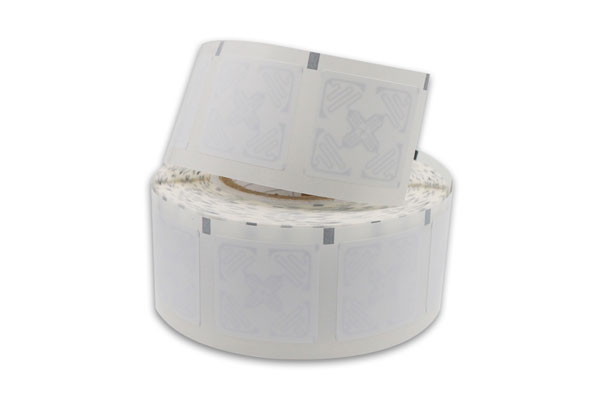
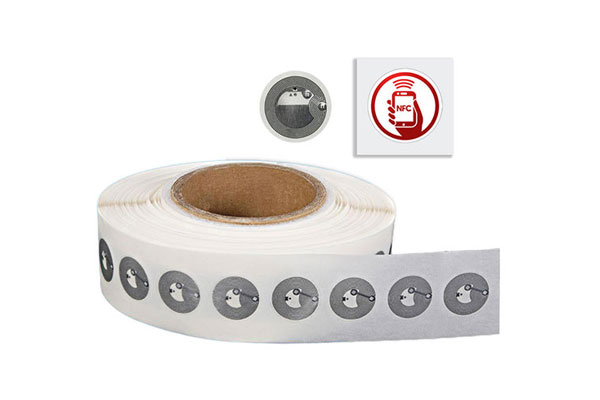
UHF RFID tags operate in the ultra-high frequency band, typically between 860–960 MHz. Unlike barcodes, RFID tags do not require direct visual contact to be read. Multiple tags can be identified simultaneously within seconds, even when embedded in garments, cartons, or hanging on racks.
Key characteristics that make UHF RFID particularly suitable for apparel include:
Longer read range: From several meters up to over ten meters in controlled environments
Bulk reading capability: Hundreds of items can be scanned at once
Unique item-level identification: Each garment can carry its own digital identity
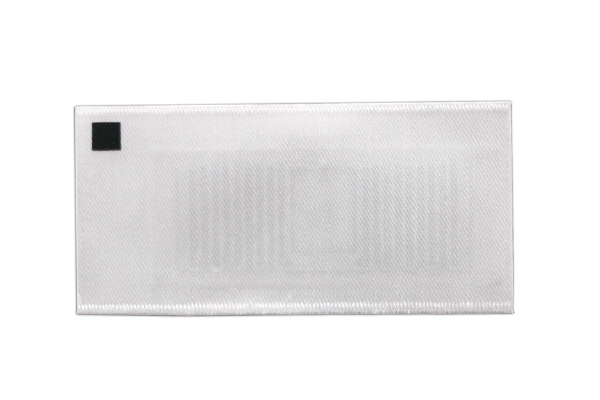
Durability and flexibility: Tags can be integrated into care labels, hang tags, or packaging
These technical features translate into operational advantages that go far beyond faster stock counts.
Item-Level Visibility Across the Supply Chain
One of the most significant shifts enabled by UHF RFID is the move from aggregate inventory tracking to item-level visibility. Instead of knowing how many units of a product should exist in a location, companies can know exactly which items are there.
In the apparel supply chain, this visibility begins at the source. RFID tags can be encoded and attached at the factory, linking each garment to production data such as:
Style and size
Production batch
Manufacturing date
Destination market
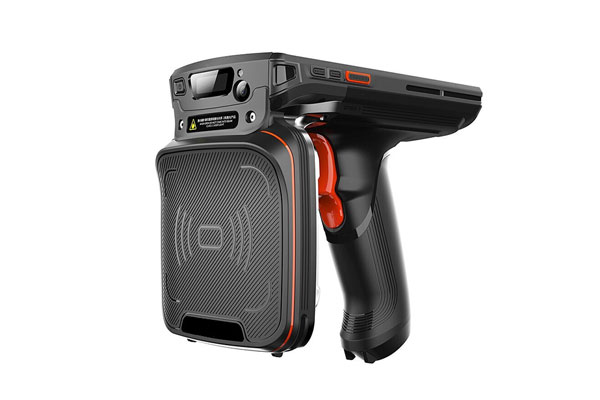
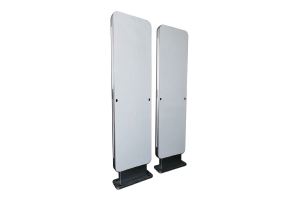
As goods move through distribution centers and logistics hubs, RFID portals and handheld readers automatically capture movement events. This creates a continuous flow of data without adding manual scanning steps.
For apparel brands managing complex global supply chains, this transparency helps reduce shipment errors, improve receiving accuracy, and identify bottlenecks earlier than traditional systems allow.

Transforming Warehouse Operations
Warehouses play a critical role in apparel distribution, especially as omnichannel fulfillment becomes the norm. UHF RFID enables warehouses to operate with greater speed and confidence.
With RFID-enabled processes, warehouses can:
Verify inbound shipments without opening every carton
Conduct rapid cycle counts without stopping operations
Locate specific items or orders quickly
Reduce picking and packing errors
Instead of relying onzperiodic full inventories, warehouses can maintain near real-time accuracy through frequent, low-effort scans. This reduces labor costs while increasing throughput—an important advantage during peak seasons when volume surges.
For growing apparel businesses, RFID also supports scalable operations. As SKU counts increase, the system continues to perform without the exponential increase in manual effort that barcode-based systems require.
Store-Level Accuracy and Efficiency
The most visible impact of UHF RFID in apparel is often felt at the retail store level. Stores are where inventory accuracy directly affects sales and customer satisfaction.
With UHF RFID, store associates can perform full-store inventory counts in minutes rather than hours. This makes it practical to conduct counts weekly or even daily, keeping stock records consistently aligned with reality.
Higher store-level accuracy leads to:
Fewer out-of-stock situations
Improved replenishment decisions
Better visual merchandising execution
More reliable online order fulfillment from stores
In addition, RFID reduces the operational burden on store staff. Time previously spent on manual counting can be redirected to customer service, styling assistance, and sales activities—areas that directly influence revenue.
Enabling Omnichannel Retail
Modern consumers expect a seamless shopping experience across physical stores and digital channels. For apparel retailers, fulfilling this expectation depends on knowing exactly where inventory is located at any moment.
UHF RFID provides the data foundation required for true omnichannel operations. When store inventory is accurate, retailers can confidently offer services such as:
Buy online, pick up in store (BOPIS)
Ship from store
Endless aisle ordering
Real-time product availability online
Without RFID-level accuracy, these services often fail due to canceled orders or unfulfilled promises. By contrast, RFID-enabled apparel retailers can treat store inventory as a reliable fulfillment resource rather than a liability.

Reducing Shrinkage and Loss
Shrinkage remains a persistent challenge in the apparel industry, driven by theft, administrative errors, and process gaps. While UHF RFID is not a replacement for electronic article surveillance (EAS), it adds an important layer of control.
RFID improves loss prevention by:
Making inventory discrepancies visible sooner
Enabling exception-based investigations
Supporting process accountability across locations
When inventory is counted frequently and accurately, unexplained losses stand out more clearly. This allows retailers to address issues proactively rather than discovering problems during annual audits or after financial losses accumulate.
Supporting Data-Driven Merchandising
Beyond operational efficiency, UHF RFID generates high-quality data that supports better decision-making. Apparel merchandising relies on understanding how products move, where they sell best, and when they need replenishment or markdown.
RFID data can reveal:
True sell-through rates by location
Differences between planned and actual inventory flow
Product dwell time on the sales floor
Execution gaps in assortment planning
With this insight, merchandisers can refine assortments, adjust allocation strategies, and respond faster to changing demand. Over time, this leads to improved margins and reduced end-of-season markdowns.
Scalability for Brands of All Sizes
While early RFID adoption was driven by large global brands, UHF RFID is no longer limited to enterprise-scale players. Advances in tag design, reader technology, and software integration have made RFID more accessible to mid-sized and emerging apparel companies.
Modern RFID solutions can be deployed in phases, starting with pilot programs in select product lines or locations. This allows companies to validate ROI, refine processes, and scale gradually without disrupting existing operations.
As apparel businesses grow, RFID systems can grow with them—supporting more SKUs, more locations, and more complex fulfillment models.
Integration with Existing Systems
A common concern among apparel companies considering RFID is system integration. In practice, UHF RFID is designed to complement existing ERP, WMS, and POS platforms rather than replace them.
RFID acts as a data capture layer, feeding accurate, timely information into systems already used for planning, accounting, and sales. With proper integration, companies can enhance their current workflows without extensive reengineering.
This integration-focused approach reduces adoption risk and accelerates time to value.
Sustainability and Responsible Operations
Sustainability is becoming a strategic priority in the apparel industry. Inventory inefficiency contributes to overproduction, waste, and unnecessary transportation.
By improving inventory accuracy and demand alignment, UHF RFID indirectly supports more responsible operations. Better data enables brands to:
Produce closer to actual demand
Reduce excess inventory and unsold goods
Optimize logistics and reduce emissions
Some RFID tags are also designed with recyclable or reduced-material constructions, aligning with broader sustainability initiatives.
Real-World Adoption Trends
Over the past decade, UHF RFID has moved from pilot projects to large-scale rollouts across the apparel sector. Many global fashion brands have publicly reported significant improvements in inventory accuracy, sales uplift, and operational efficiency following RFID adoption.
Industry momentum continues to build as technology costs decrease and best practices become more standardized. What was once a competitive advantage is increasingly becoming a baseline expectation for modern apparel operations.
Looking Ahead: The Future of RFID in Apparel
The role of UHF RFID in apparel is still evolving. As data analytics, artificial intelligence, and automation advance, RFID-generated data will play an even greater role in predictive planning and intelligent retail systems.
Future developments may include:
Deeper integration with demand forecasting models
Smarter store automation and self-checkout experiences
Enhanced product authentication and lifecycle tracking
Rather than being a standalone technology, UHF RFID is becoming a foundational layer in the digital transformation of the apparel industry.
Conclusion
UHF RFID tags are transforming the apparel industry because they solve a problem that has long limited growth and efficiency: lack of accurate, real-time inventory visibility. By enabling item-level tracking across the supply chain, RFID empowers apparel brands and retailers to operate with greater confidence, agility, and customer focus.
From warehouses to stores, from merchandising to omnichannel fulfillment, the impact of UHF RFID extends far beyond faster inventory counts. It changes how decisions are made, how resources are allocated, and how brands connect with consumers.
As competition intensifies and consumer expectations continue to rise, UHF RFID is no longer just a technological upgrade. For many apparel businesses, it is becoming an essential component of sustainable, data-driven growth.
You might also like:

