









A supermarket bakery can have 20 packs of croissants on hand and still be short of stock for the next morning. Eight packs may be due off the shelf at closing, while the other 12 can carry into the next day. Both groups sit under the same product code. At Kroger’s October 2026 investor update, the retailer reported using radio-frequency identification (RFID) in bakery departments at about 1,500 stores. The scale makes it a useful case for examining what RFID in grocery stores actually changes. A batch read speeds up the count. Linking each pack’s identity to its date and stock record gives that count a bearing on what the bakery produces, when staff refill the display, and which packs are eligible for a markdown.
Why Kroger Started with the Bakery
In October 2024, Avery Dennison announced that it would work with Kroger on item-level RFID for fresh bakery products. Two years later, Kroger’s investor presentation put its current RFID footprint at about 1,500 stores and its 2029 target at more than 2,300. Bakery offers a particularly revealing setting for that expansion. A store can sell the same product from several batches throughout the day, and another batch can be prepared before closing. The time between spotting a stock problem and acting on it can be measured in hours. Understate available stock and the bakery may produce another batch while the previous one is still on sale. Overstate it and a display can empty during the evening rush.
Kroger presented three bakery results as part of its broader connected-store program:
- Inventory counts were about 70% faster.
- Earlier detection of approaching dates was associated with about 50% lower waste costs.
- Sales rose by about 200 basis points, with a category share gain of about 50 basis points.
The presentation grouped those outcomes under a program that also includes robotics, digital shelf labels and retail analytics. Count speed is closely tied to how stock is captured. Waste costs and sales depend on what happens after that count, including production volumes, markdown timing and whether staff refill the display in time. Kroger’s figures show those changes occurring together in one department; the presentation gives no separate estimate of RFID’s contribution to sales or waste costs.
The 98% Read Figure
Kroger’s operations chief reported 98% read performance in the bakery program, according to coverage of the investor update. The figure describes how successfully the system picked up tagged items during counting. Inventory accuracy is measured against a wider set of events. A pack can read clearly during a scan and still sit in the wrong location in the system. A damaged pack can remain on the stock record if its write-off was never entered. A pack that missed the labeling step has no tag for the reader to detect. Conversely, a reader can pick up a pack on a nearby rack that falls outside the intended count area.
The time saving comes from reading multiple tagged items without presenting each pack individually. The work that remains is often concentrated in a handful of discrepancies: a pack moved to a promotional display, a tray of stock set aside for donation, or an identifier recorded against the wrong product. Those exceptions matter most in small batches. A discrepancy of two units in a batch of six can change the bakery’s production decision for that evening, even if the department’s overall count looks close to its stock record.
The Date Behind the Count
An Electronic Product Code (EPC) can identify an individual pack and serve as the key to its associated product, batch and date record. GS1 also defines ways to encode selected data, including dates, on compatible RAIN RFID tags. In either arrangement, the date has an operational meaning set by the retailer. A production date, a best-before date and a store’s scheduled withdrawal time can all be relevant to the same pack. The store’s software uses the applicable field when it calculates what will still be available for sale later that day or the following morning.
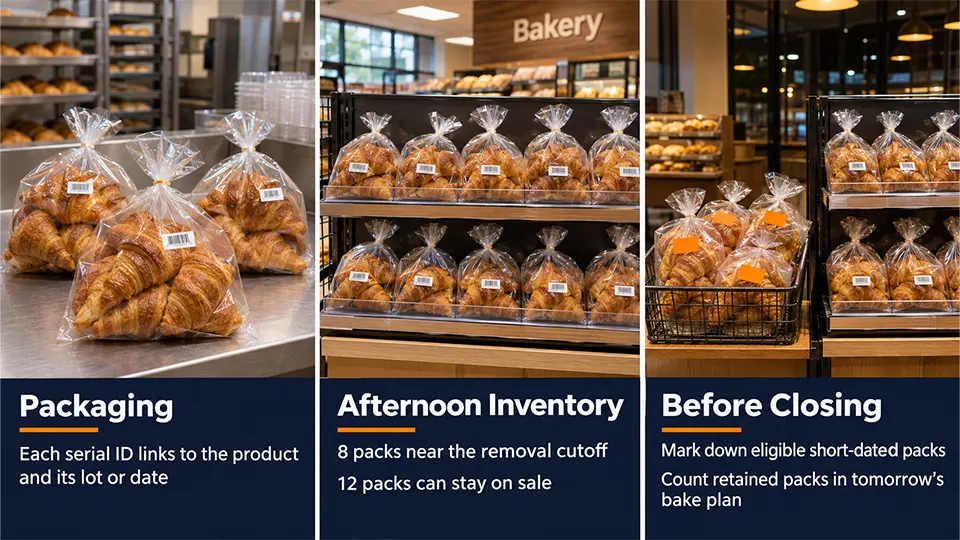
In the croissant example, the 20 packs can pass through three distinct inventory decisions:
- At packing, each serialized identifier is associated with its product and the relevant batch or date information.
- During the afternoon count, the system can show that eight packs are approaching the store’s withdrawal cutoff and 12 are eligible to carry over.
- Before closing, eligible near-date packs can enter the markdown routine, while the carryover quantity feeds the next morning’s production plan.
The value of that sequence depends on when the stock information reaches the department. A date exception surfaced after the display has been cleared has little bearing on that day’s sales. The same exception surfaced in mid-afternoon may still affect what goes to the front of the shelf and how much goes into the next bake. ReFED’s U.S. retail analysis puts the scale in context. It estimates that retailers generated 4.63 million U.S. tons of surplus food in 2024, of which 2.7 million U.S. tons became food waste. Bread and bakery accounted for about 318,000 U.S. tons of that waste.
Inside the Meat Case
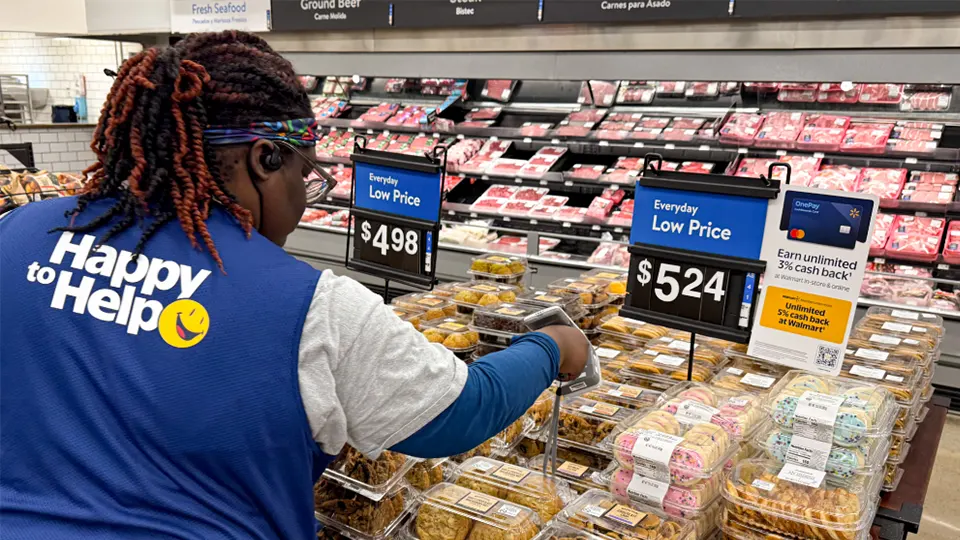
Walmart and Avery Dennison’s October 2025 announcement covered bakery, deli and meat, with cold, high-moisture meat cases singled out as a testing environment. In October 2026, Avery Dennison said it expected commercial deployment of Walmart’s fresh program to ramp up during 2027. Meat introduces a different read environment from a rack of baked goods. The water in the product can absorb UHF energy, and proximity to the contents can alter antenna tuning. A label that reads on a single tray can behave differently once the tray is stacked beneath several others or turned sideways in a crowded case.
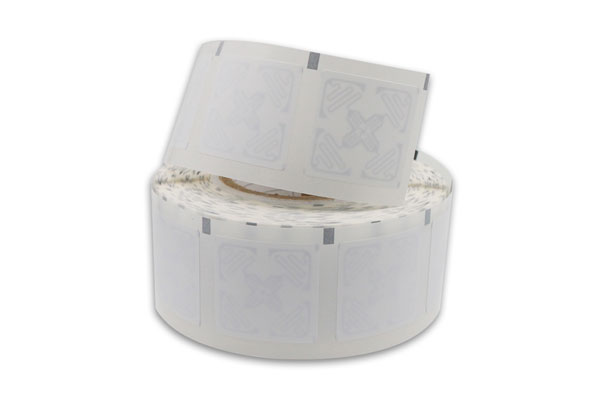
Avery Dennison’s AD IdentiFresh inlay series, launched in February 2026, uses Impinj M800 series chips and antenna designs intended for densely packed fresh foods. Chip sensitivity is one part of the read performance. The assembled pack and the store environment introduce three further variables:
- Package contents and materials. Meat, liquid and metallic packaging affect the radio signal in different ways.
- Label placement and orientation. An inlay on the rim of a tray sits at a different distance from the meat than one centered over it.
- Stock density and read area. A full display presents different conditions from a single pack, and adjacent stock can fall within the reader’s field.
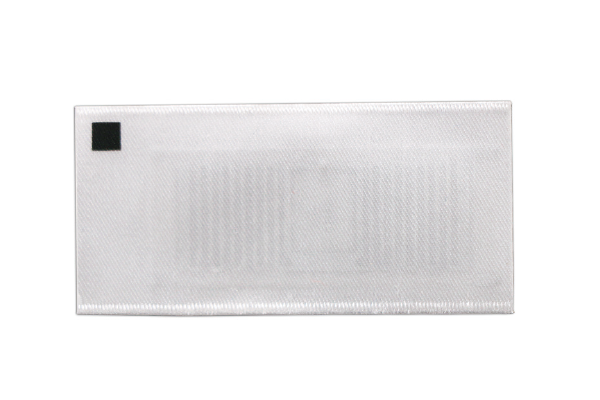
Metal packaging brings its own selection problem. The DTB-F6025, for example, is a flexible on-metal UHF tag and illustrates the type of construction used when the mounting surface itself is metal. Cold meat in a plastic tray presents a different combination of product, packaging and placement.
Where the Individual Pack Earns Its Tag
The economics of item-level tagging depend on the smallest unit at which a store makes a decision. A bakery can mark down one pack while leaving an otherwise identical pack at full price because their dates differ. A produce department receiving reusable crates may make its first decision at crate level, checking the delivery against the shipment record before opening it. The two workflows generate different data and carry different costs for encoding, label application, verification and exception handling.
- A pack-level read can identify individual retail units and link them to the dates used for shelf rotation or markdowns.
- A case-level read can confirm receipt of a shipping unit and retrieve its recorded quantity and lot while the contents remain associated with that case.
- A crate-level read can identify a reusable carrier and its recorded load. When the crate is emptied or refilled, the load record has to follow the physical change.
The trade-off becomes visible at the point where the goods are split. Once the contents of a case are spread across two displays, the case record has limited value for finding specific retail packs. In a bakery, shelf packs with different withdrawal times can remain physically mixed even when each is individually identifiable. The department’s return on that extra detail depends on how often it changes a production, replenishment or markdown decision during the hours when the products are still on sale.
